


Home / Blog / Industry News / Reed Diffuser Bottle and Packaging Design Explained: The Buyer's Guide
Reed Diffuser Bottle and Packaging Design Explained: The Buyer's Guide
Content
Two reed diffuser bottles sit on the same procurement desk. One has a slim neck and a frosted finish that photographs beautifully. The other is simpler, with a wider shoulder and heavier glass. In a showroom, the first bottle wins. In a hotel room after three months of continuous use, the second bottle still delivers a balanced scent. The reason has nothing to do with fragrance quality and everything to do with bottle and packaging design.
The conclusion for buyers is straightforward: bottle geometry, neck width, glass thickness, label adhesion and carton structure determine evaporation rate, shelf life, shipping safety and retail trust. These elements decide whether a product works as intended, not just how it looks in a catalogue.
A reed diffuser works through capillary action: the fragrance oil migrates up the reeds and evaporates from the exposed surfaces. The bottle controls this process because its neck determines how much liquid surface stays in contact with air. That is why the first question for any new design should be about the neck diameter and the number of reeds, not the colour.
A wide neck exposes more oil to air. The scent is strong from day one, but the liquid depletes faster and the fragrance fades earlier in the product's life. A narrow neck slows evaporation, but if the inner diameter is too tight, the reeds compress, capillary flow becomes inconsistent, and the scent output turns patchy.
For most home fragrances, a practical starting point is an 18-22 mm neck with 6-10 reeds of 2-3 mm diameter. Slow-diffusing products for bedrooms lean toward the lower end; high-traffic spaces such as hotel lobbies lean toward the upper end. A hospitality buyer therefore needs an acceptance test built around scent throw and longevity, not initial intensity. The guideline on scent throw and longevity testing for hotel reed diffusers sets out a practical measuring approach.
| Neck inner diameter | Typical reed count | Evaporation pace | Best suited for |
|---|---|---|---|
| 18-20 mm | 6-8 reeds | Moderate | Bedrooms, bathrooms, small offices |
| 21-23 mm | 8-10 reeds | Faster | Living rooms, hotel lobbies, retail display |
The table is a starting point, not a specification. Fragrance load, solvent type, reed material and room temperature all shift the result. A product such as the customised 180ml glass reed diffuser bottle designed for hotels is engineered around this balance, with a controlled neck opening, a stable base and a refill-friendly volume.
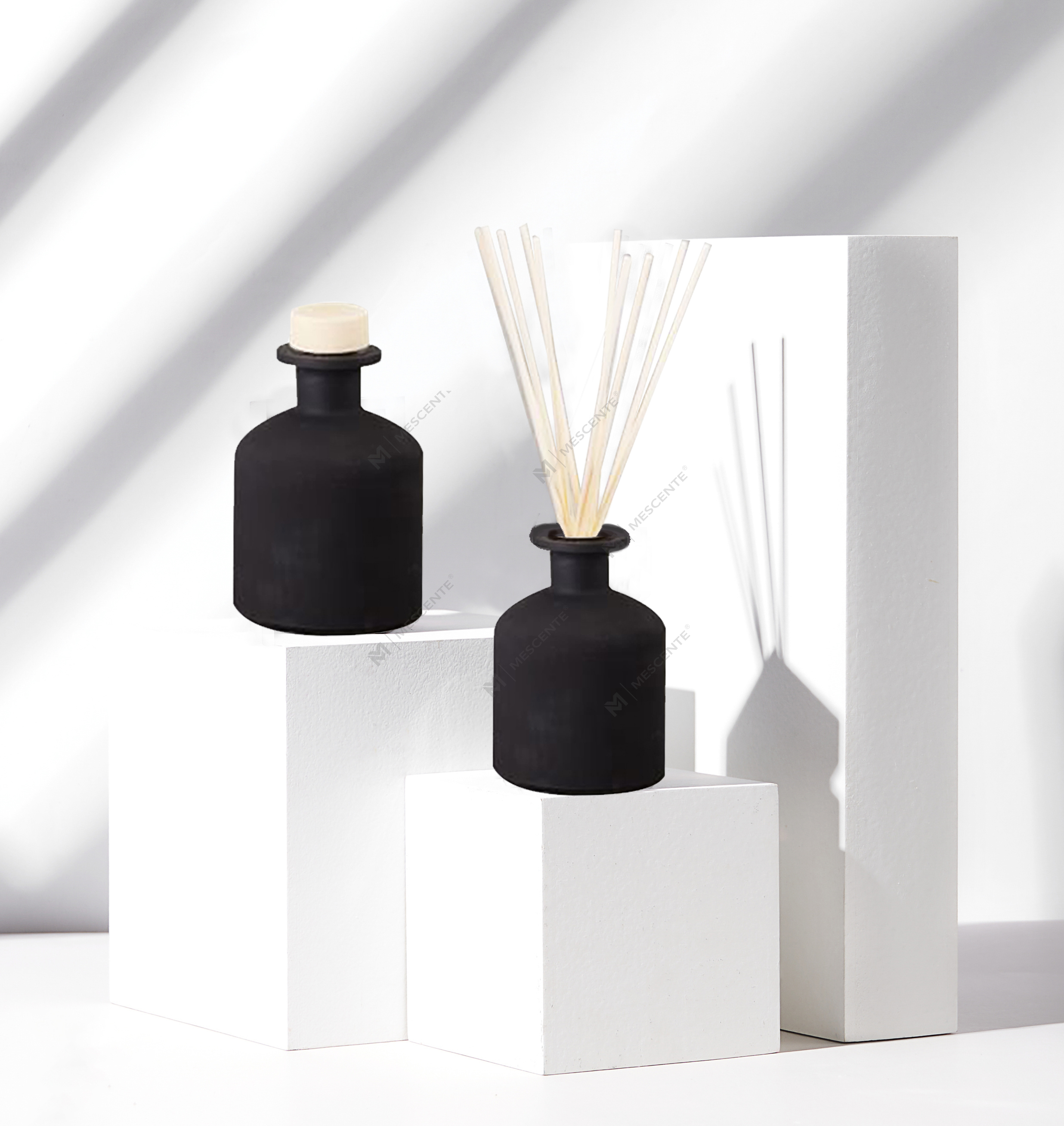 Custom Mescente Luxury 180ml Customised Glass Bottle Essential Oil Reed DiffuserSuzhou M&scent Is China Custom Mescente Luxury 180ml Customised Glass Bottle Essential Oil Reed Diffuser For Hotels ODM/OEM Suppliers, Co...View Product →
Glass thickness affects stability, transport safety and perceived weight. A filled 250 ml bottle usually weighs around 350-400 g once the oil and reeds are added. If the base is too thin, the centre of gravity sits high and the bottle tips over easily. If the wall is too thin, the breakage risk rises sharply during filling, transit and daily handling.
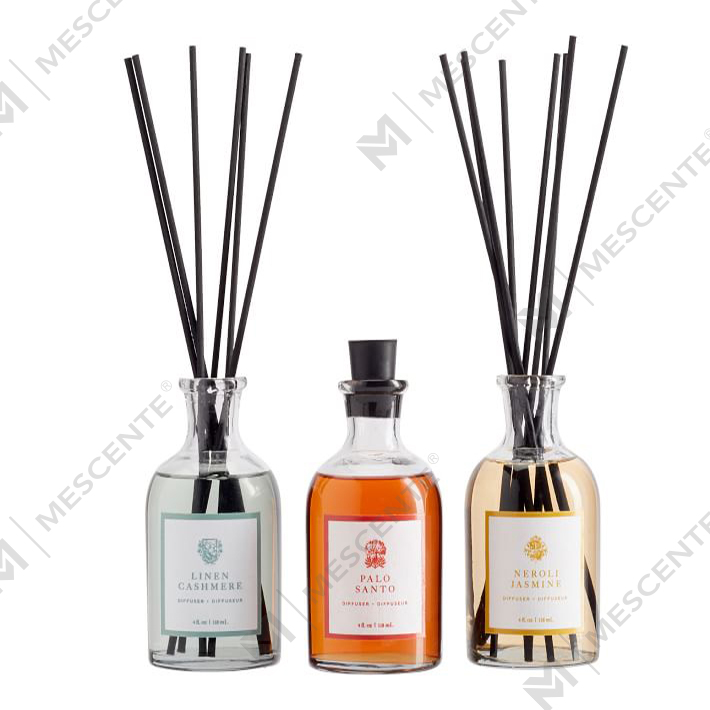
Colour is a trade-off between display and protection. Clear glass shows the oil and communicates the product's transparency, but it exposes the fragrance to UV light, which accelerates oxidation. Frosted glass softens the look and feels more premium, yet it requires a label adhesive strong enough to bond with the textured surface. Amber glass protects the oil much better and suits products placed in direct sunlight on retail shelves.
When the brand needs a sculptural presence, ceramic comes into play. It adds weight and limits refill formats, but it creates a decorative object that stays on the table long after the oil is gone. Custom ceramic reed diffuser bottles are a common route for premium gift lines because the container itself becomes the reason to buy.
Once the bottle works, packaging has two jobs: to protect the bottle in transit and to make the product legible and trustworthy at the point of sale. For most consumers, the outer carton is the first physical contact with the brand.
A reed diffuser label carries more information than most decorative labels. At a minimum it needs the brand name or logo, the fragrance name, the net volume, key ingredients, usage instructions, safety warnings and a batch code. For export products, safety statements derived from IFRA guidance and local chemical regulations must be readable without opening the carton.
The material matters as much as the text. Labels sit on a bottle that is touched, wiped and exposed to oil vapour from the neck. A paper label that is not oil-resistant will stain within weeks. A film label with the wrong adhesive will lift on frosted glass. The result is a damaged brand impression at the exact moment the customer decides whether to keep the product.
Layout needs a clear hierarchy: a strong brand zone at the top, the fragrance name in the middle, and legal and safety text at the bottom or on a separate panel. Surface finishing such as matte lamination, foil stamping or embossing can raise perceived quality, but only if the base material still passes the performance checks.
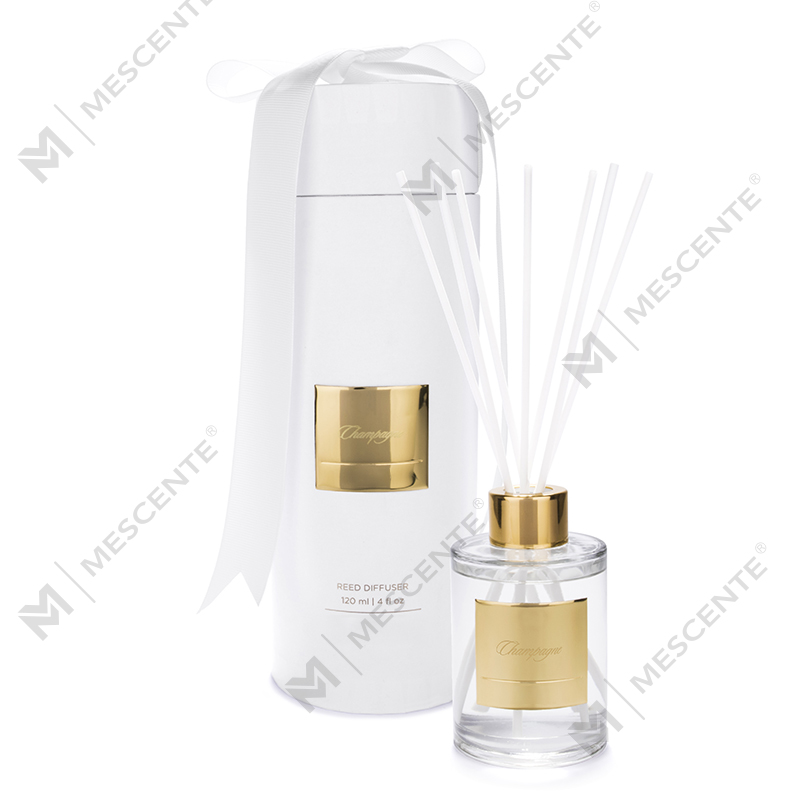
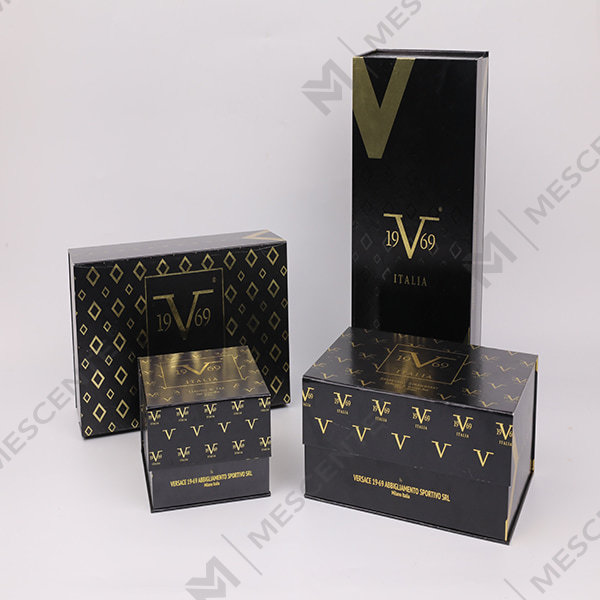
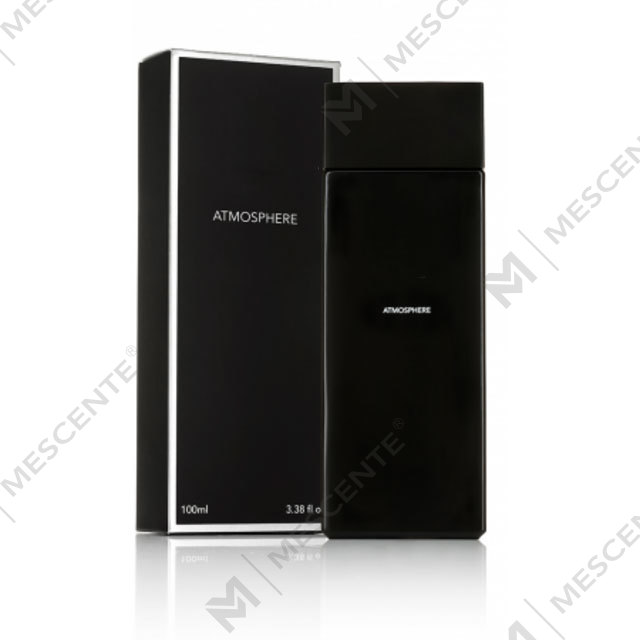
The outer carton controls how the bottle arrives and how the first opening feels. A printed folding carton communicates one price position; a rigid box with a magnetic closure communicates another. Both can work, but the structure has to be chosen before production, not after.
Inserts are the most underestimated element. Pulp moulding, die-cut cardboard or EVA foam must hold the bottle firmly enough to stop movement in transit, yet loosely enough for easy removal. A tight insert feels premium; a loose one makes even a good bottle feel cheap.
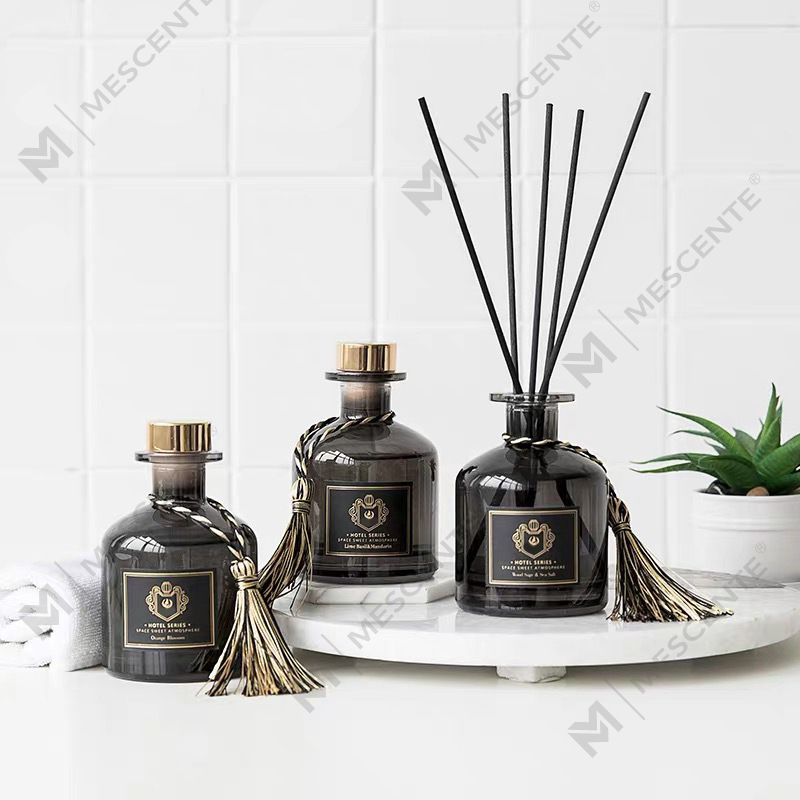
A frosted glass private label reed diffuser with gift box is a useful example of an integrated system: frosted bottle, cap finish, label position and box opening are specified together so the final assembly needs no improvisation.
 Custom Private Label White Frosted Bottle Aromatherapy Reed Diffuser Oils With BSuzhou M&scent Is China Custom Private Label White Frosted Bottle Aromatherapy Reed Diffuser Oils With Box A29148 ODM/OEM Suppliers, Comp...View Product →
The same care carries into the fragrance craftsmanship behind luxury room diffusers, where every layer, from carton to bottle to reeds, is treated as one experience.
A beautiful sample is not the same as a manufacturable product. The gap between a hand-assembled prototype and a production batch usually shows up in tolerances, material consistency and packaging quality. Buyers who skip this stage discover it when the first container arrives.
Pre-production samples should be checked against measurable criteria, not judged by eye. The table below lists common acceptance tolerances that prevent the most frequent quality complaints.
| Inspection point | Acceptable tolerance | What it prevents |
|---|---|---|
| Bottle neck inner diameter | +/- 0.5 mm | Reed crowding or loose fit, uneven evaporation |
| Label position | +/- 1 mm manual, +/- 0.5 mm automatic | Crooked branding on the shelf |
| Oil fill volume | +/- 5 ml per 100 ml | Underfill complaints or leak risk |
| Carton inner width vs bottle | Max 1.5 mm gap | Rattling and scratched glass in transit |
Tolerances alone do not guarantee quality. Sampling methods matter too: a buyer should ask for pieces from different production positions, not just the first one off the line.
Before locking an order, confirm choices in five areas: bottle, cap, label, carton and fragrance. A small mismatch in any of them creates visible defects. Check the cap thread smoothness, the fit of the inner stopper, the number of reeds that sit comfortably in the neck, and the label behaviour in high humidity.
Packaging also has to support the way customers actually use the product. The instructions on the label must guide the user through opening, inserting reeds, flipping them, and eventually refilling or disposing of the bottle. For this reason, the reed diffuser use guide is a reference that packaging and label copy should align with from the start.
Useful checks before approval include:
It is easy to evaluate reed diffuser packaging on looks alone. The products that perform well in the market are the ones where the bottle, the label, the box and the reeds were treated as a single system with measurable requirements.
Start with the neck and glass thickness because they control evaporation and safety. Then design the label for the physical conditions it will face, not just for the shelf. Then choose the carton and insert for protection and unboxing experience. Finally, verify every element against a tolerance before mass production.
Buyers who apply this sequence reduce the cost of rework, avoid customer complaints, and keep the brand promise intact from the factory floor to the consumer's side table.


Address:
Building 10, No. 39, Muxu East Road, Mudu Town, Wuzhong District, Suzhou City, Jiangsu Province, China
Company
Products
Mobile
