

High Fragrance Reed Diffuser: Scent Throw, Longevity & Hotel Use
Content
- 1 High Fragrance Reed Diffuser Scent Throw: How Distance and Intensity Are Controlled
- 2 High Fragrance Reed Diffuser Longevity: What Actually Determines How Long It Lasts
- 3 High Fragrance Reed Diffuser Oil Quality: What Separates Premium from Generic
- 4 High Fragrance Reed Diffuser for Hotels: Commercial Scenting at Scale
- 5 High Fragrance Reed Diffuser Fragrance Intensity: Reading and Adjusting Output
- 6 High Fragrance Reed Diffuser vs Scented Candles: A Practical Comparison
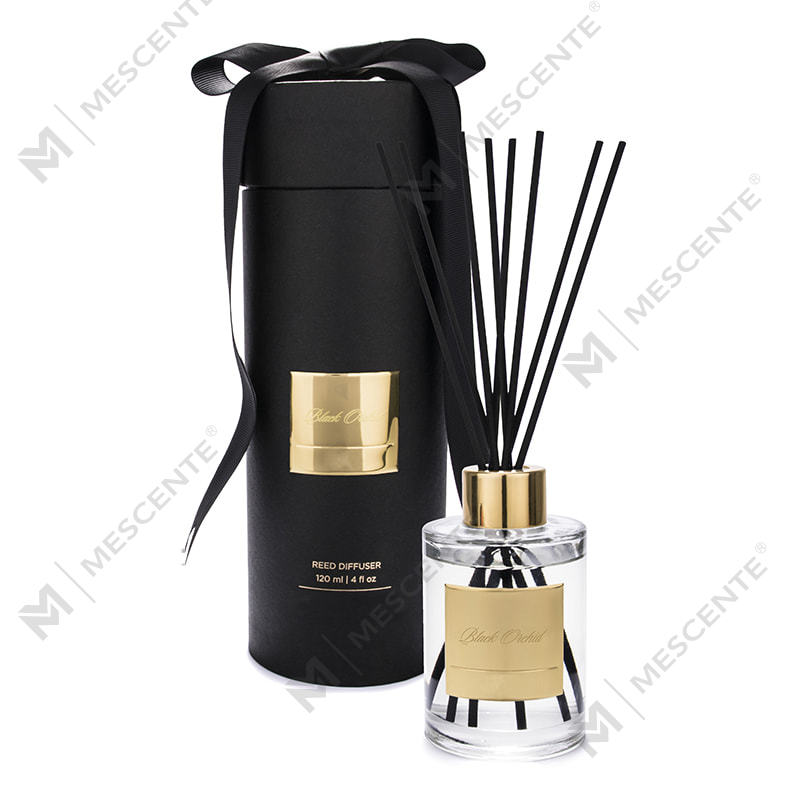
When ambient scenting needs to work silently, continuously, and without supervision, High Fragrance Reed Diffuser systems deliver what candles and sprays cannot: a sustained, even scent release that fills a room over weeks or months without any flame, electricity, or manual intervention. For hospitality buyers, interior designers, and home fragrance enthusiasts, the difference between a standard diffuser and a high-fragrance formulation is measurable — in throw distance, longevity, and the complexity of the scent profile at full diffusion.
30–40%
Fragrance oil concentration in high-grade formulas
4–6 mo
Typical longevity for 200ml high fragrance diffuser
60 m²
Maximum effective scent throw at peak reed saturation
7–10
Optimal reed count for balanced diffusion rate
High Fragrance Reed Diffuser Scent Throw: How Distance and Intensity Are Controlled
High fragrance reed diffuser scent throw is determined by three interacting variables: fragrance oil concentration, carrier solvent evaporation rate, and reed porosity. A standard retail diffuser formulates at 10–15% fragrance load; a high-fragrance product pushes that to 25–40%, which fundamentally changes how far and how strongly the scent projects into a room.
Fragrance Concentration
At 30%+ concentration, volatile aroma compounds are present in high enough density to saturate reed pores faster and maintain consistent vapor pressure above the liquid surface — the key driver of throw distance.
Carrier Solvent Choice
Dipropylene glycol (DPG) and isopropyl myristate (IPM) are the benchmark carriers. IPM evaporates 30% faster than DPG, producing stronger initial throw; DPG extends longevity by slowing evaporation for the long game.
Reed Material and Porosity
Rattan reeds with open cellular channels wick and release fragrance 2–3x faster than synthetic fibers. For high-fragrance formulas, rattan is the default — synthetic reeds restrict flow enough to undercut the high-load oil benefit.
Room airflow is the multiplier: a high fragrance reed diffuser placed near a doorway or air-conditioning return will exhaust noticeably faster but project further. For consistent, low-maintenance scenting, position 1–2 meters from the primary airflow path, at counter or shelf height where natural convection carries scent upward and outward.
High Fragrance Reed Diffuser Longevity: What Actually Determines How Long It Lasts
High fragrance reed diffuser longevity is a function of oil volume, concentration, evaporation rate, and ambient conditions — not simply the size of the bottle. A 200ml high-fragrance diffuser at 30% concentration and DPG carrier, in a 20°C room with moderate airflow, will typically last 16–20 weeks. The same volume at 15% concentration in a hot, ventilated space may exhaust in 6–8 weeks.
| Volume | Fragrance Load | Avg. Room Temp | Expected Longevity | Ideal Coverage |
| 100ml | 30%+ | 18–22°C | 8–12 weeks | Up to 25 m² |
| 200ml | 30%+ | 18–22°C | 16–24 weeks | 25–50 m² |
| 500ml | 30%+ | 18–22°C | 6–9 months | 50–80 m² |
| 1000ml (Hotel) | 25–35% | 20–24°C | 3–5 months | Lobby / large zone |
Longevity Tip
Flip reeds every 7–10 days rather than daily. Over-flipping saturates the air rapidly but accelerates oil depletion by up to 40%. For hotel and commercial installations where low-maintenance matters, less frequent flipping extends service intervals significantly.
High Fragrance Reed Diffuser Oil Quality: What Separates Premium from Generic
High fragrance reed diffuser oil quality is defined at the formulation stage, not the bottling stage. The distinction between a premium oil and a generic formulation lies in four elements: raw material grade, fixative system, allergen compliance, and clarity/color stability over time.
01
Fragrance Raw Material Grade
IFRA-compliant naturals and high-purity synthetics produce cleaner, more complex scent profiles. Lower-grade aromachemicals introduce sharp, linear notes that fade quickly and lack the mid-note depth expected from a premium product.
02
Fixative System
Musks, resins, and benzyl benzoate act as fixatives — they slow the evaporation of lighter top notes and extend the perceptible scent life of the diffuser. A formula without a proper fixative front-loads its throw and becomes imperceptible within weeks.
03
Allergen and Safety Compliance
EU Cosmetic Regulation 1223/2009 lists 26 restricted fragrance allergens. Premium brands formulate below these thresholds and carry IFRA certification — essential for hotel procurement and export to EU markets.
04
Color and Clarity Stability
A quality diffuser oil remains clear or true-to-color for its full service life. Clouding, separation, or darkening within the first month signals either incompatible carrier-fragrance pairing or low-grade raw materials with high oxidation susceptibility.
High Fragrance Reed Diffuser for Hotels: Commercial Scenting at Scale
High fragrance reed diffuser for hotels must meet criteria that consumer products are not designed for: consistent scent identity across multiple rooms or floors, low staff-intervention requirements, no fire risk, and compliance with fire safety regulations that prohibit open flames in corridors and lobbies.
Why Hotels Choose High Fragrance Reed Diffusers
- No flame or electricity — compliant in fire-restricted zones
- Consistent scent profile without staff daily attention
- Scalable: same fragrance SKU deployed across 50–500 rooms
- Brand signature scent reinforces guest experience and recall
- Refillable formats reduce per-room cost by 35–50% vs single-use
Deployment Specifications
- Guest rooms (25–35 m²): 100–200ml, 6–8 reeds
- Corridors: 500ml bottle, 10 reeds, 1 unit per 15 linear meters
- Lobby (100 m²+): Multiple 500ml or 1L units in coordinated placement
- Spa zones: Lighter load recommended — 20% concentration to avoid sensory fatigue
- Service interval: every 3–4 weeks for reed flip and level check
Leading hotel groups including Four Seasons, Marriott Autograph Collection, and independent luxury boutiques use proprietary fragrance identities built around High Fragrance Reed Diffuser systems. Scent branding studies show that guests exposed to a consistent signature scent are 20% more likely to recall the property positively — a measurable return on an ambient scenting investment.
High Fragrance Reed Diffuser Fragrance Intensity: Reading and Adjusting Output
High fragrance reed diffuser fragrance intensity is variable — and that is by design. The number of reeds in use is the primary adjustment mechanism. Inserting all reeds maximizes intensity and area coverage; using half the reeds reduces output by approximately 40–50% without changing the oil formulation. This makes a single product adaptable to spaces from a studio bathroom to a hotel corridor.
High Fragrance Reed Diffuser vs Scented Candles: A Practical Comparison
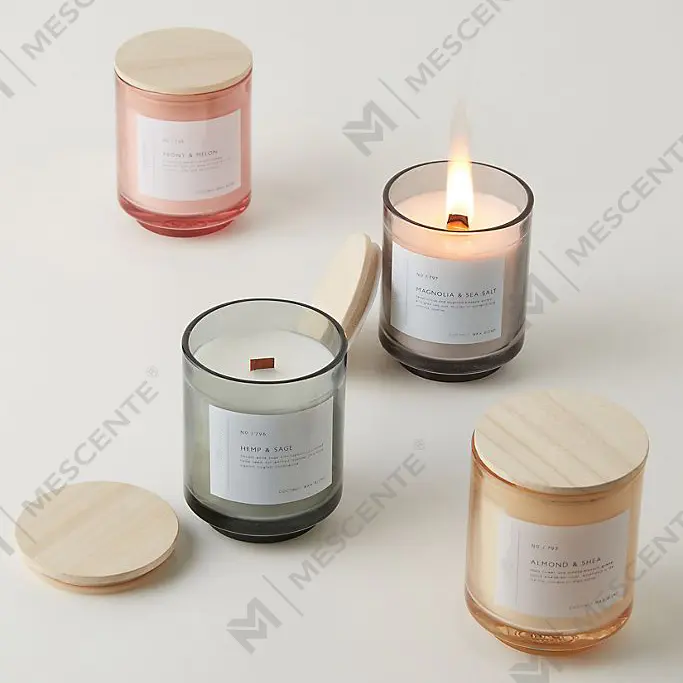
The high fragrance reed diffuser vs scented candles decision comes down to use context, not personal preference alone. Candles deliver intense, immediate scent with a visual atmosphere component. Reed diffusers deliver sustained, passive scenting with zero supervision and no fire risk. For commercial environments or anywhere continuous scenting is required, diffusers win on practicality by a wide margin.
| Criteria | High Fragrance Reed Diffuser | Scented Candle |
| Scent delivery | Continuous, passive, 24/7 | Active only when burning |
| Fire risk | None | Open flame — restricted in many commercial zones |
| Longevity | 4–9 months (200–500ml) | 40–80 hours burn time |
| Scent throw | Moderate, consistent room fill | High intensity, diminishes when unlit |
| Supervision needed | Reed flip every 7–10 days | Never leave unattended |
| Commercial suitability | Excellent — hotels, retail, offices | Limited — dining, event use only |
| Cost per week | Lower over full product life | Higher — shorter active lifespan |
Choose a Reed Diffuser When
- Continuous scenting without supervision is required
- Fire codes prohibit open flames
- Consistent scent identity across multiple spaces matters
- Low staff-maintenance cost is a priority
Choose a Candle When
- Visual ambiance and flickering light are part of the experience
- Scent is event-based rather than ambient
- Immediate, intense scent impact is the goal
- Supervised residential use only
.jpg "150ml Home Fragrance Reed Diffuser Gift Set With Scented Candle A99189")
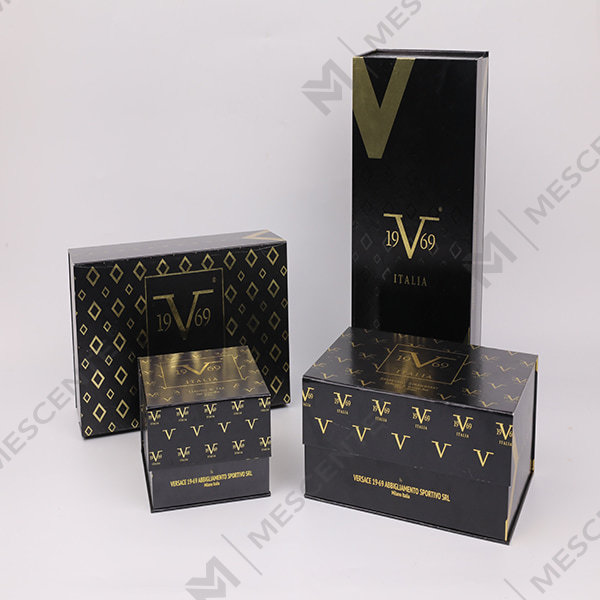
-1.jpg "140g Home Scented Candle Fragrance Reed Diffuser Gift Set A99199")