


Home / Blog / Industry News / Reed Diffuser Key Specifications: A Complete Buying Guide for Home Fragrance
Reed Diffuser Key Specifications: A Complete Buying Guide for Home Fragrance
Content
A 280-room hotel project and a home fragrance brand launch face the same challenge: three suppliers quote a "180ml reed diffuser" at three different prices, but the specifications they list are not comparable. One factory offers 6 rattan reeds with a 12% oil load; another includes 10 fiber reeds at 22%. The price gap is only 15%, yet the scent performance gap can reach 80%. Buyers who compare quotations without checking the core reed diffuser specifications are making decisions on incomparable numbers.
This guide translates each key specification into a measurable procurement parameter. Manufacturers such as Suzhou M-Scent Arts & Crafts Co., Ltd. (M-Scent, also branded as Mescente) now standardize reed diffuser listings around bottle volume, reed count, oil load, and longevity; understanding these values before sampling is what separates a successful private label launch from a costly rework cycle.
A reed diffuser is a passive evaporation device. Its performance depends on four measurable parameters: bottle volume, reed count and material, fragrance oil load, and the exposed surface area of the wicks.
Every buyer should quote the same working definition when talking to suppliers:
A reed diffuser specification is the set of measurable parameters, including bottle volume, neck opening diameter, reed material and count, fragrance oil load, carrier oil base, and wicking geometry, that together determine evaporation rate, scent throw, and usable life.
Walking a supplier through this list forces a level of transparency that usually only appears after three rounds of samples. The parameters that matter most in a purchase order are:
Each parameter affects the buying decision differently. Volume drives unit cost and logistics weight; oil load drives scent intensity and refill interval; reed material drives both the first-hour throw and the long-tail performance after four weeks of use.
Wholesale reed diffusers fall into three specification tiers, entry, mid-range, and premium, and the differences are measurable, not cosmetic.
| Specification | Entry | Mid-Range | Premium |
| Bottle volume | 100 ml | 180 ml | 250-500 ml |
| Reed count | 5-6 | 7-9 | 10-12 |
| Reed material | Rattan | Rattan-fiber mix | Microporous fiber |
| Fragrance oil load | 8-12% | 15-20% | 22-30% |
| Usable life | 4-6 weeks | 8-12 weeks | 12-20 weeks |
| Best application | Retail impulse | Standard home | Hotel, luxury brand |
Bottle volume sets the fragrance reservoir, but the neck opening sets the evaporation rate; a 180 ml bottle with a 12 mm neck behaves differently from the same volume with a 20 mm neck.
Standard capacities on the wholesale market are 100 ml, 180 ml, 250 ml, and 500 ml. The 180 ml format is the most common single-unit size for home use, while 500 ml bottles are reserved for commercial spaces and refill programs.
The neck opening is the detail most buyers ignore. A narrower neck fits fewer reeds and lowers the evaporation rate; a wider neck increases both. For a 180 ml bottle, a 14 to 18 mm neck opening with 8 fiber reeds is the performance sweet spot for a medium bedroom.
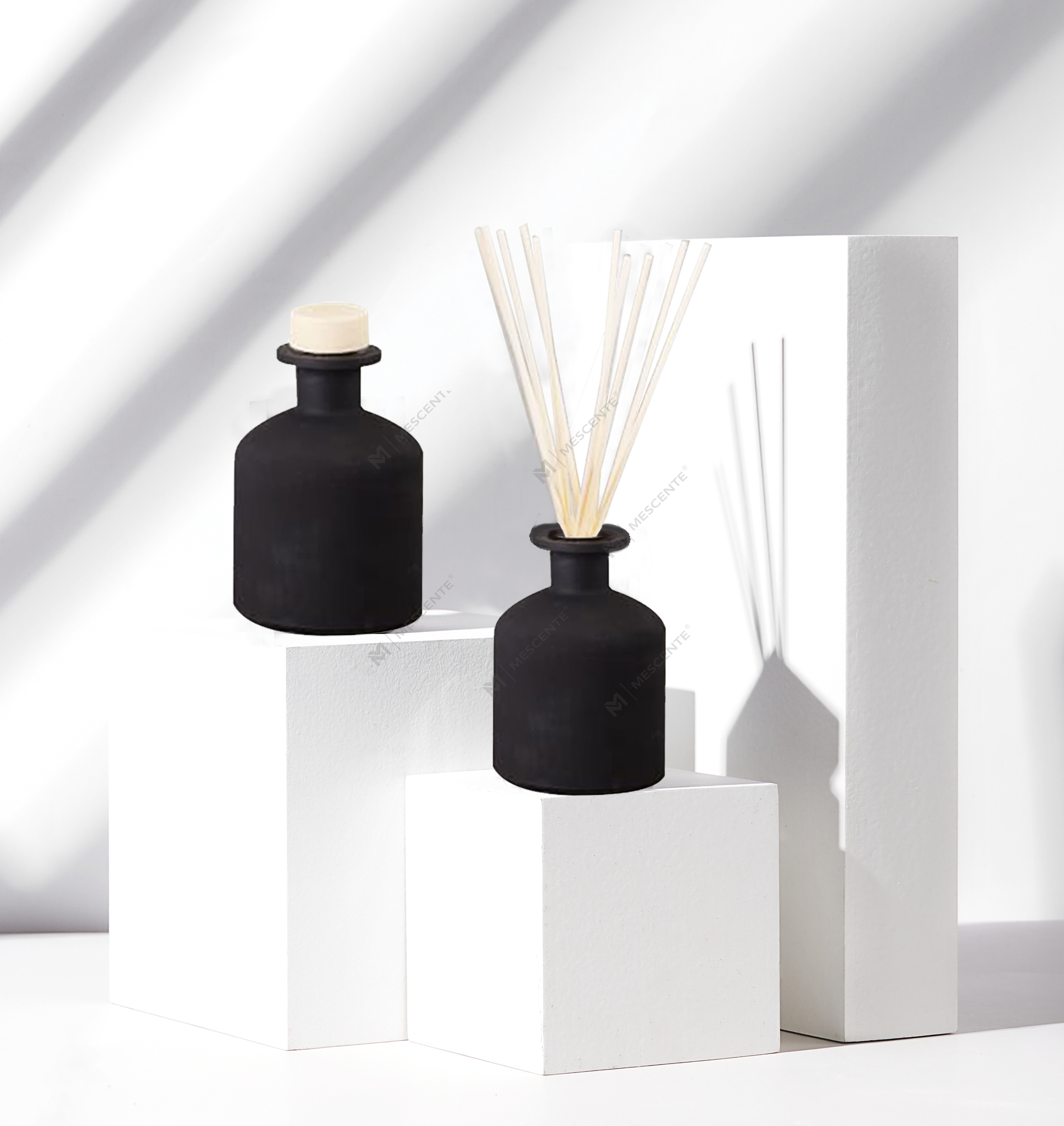 Mescente Luxury 180ml Customised Glass Bottle Reed Diffuser for HotelsThis 180ml glass bottle reed diffuser is designed for hotel guest rooms, with a wide neck that accommodates up to 8 fiber reeds for consistent scent evaporation in medium-sized spaces.View Product →
Reed material determines how fast the fragrance oil travels from the bottle into the air; fiber reeds wick faster and produce a stronger scent throw than natural rattan.
Relative wicking speed by reed type, fiber = 100
Reed count shifts the equation. Adding two reeds to a 180 ml bottle raises daily evaporation by roughly 20 to 25 percent and shortens total life by the same ratio. The manufacturer's own guidance on how to make the aroma last longer always assumes a reed count, so make sure that number is written into the purchase order.
Fragrance oil load, expressed as a percentage of the total liquid fill, directly controls scent intensity; a 20% load delivers roughly double the scent throw of a 10% load in the same bottle.
Home diffuser liquids typically contain 8 to 30% fragrance oil concentrate. The remaining volume is carrier oil, usually dipropylene glycol (DPG), isopropyl myristate (IPM), or a blended base. DPG is the most common carrier in wholesale production because it holds fragrance well and produces a consistent evaporation curve.
A 250 ml diffuser with a 10% oil load holds 25 ml of fragrance concentrate. At a 22% load, the same bottle holds 55 ml. That 30 ml difference drives both the purchase cost and the scent performance over the product's life.
Alcohol-based carriers evaporate faster and deliver a stronger first impression, but they shorten usable life by 30 to 40 percent compared with DPG. For bedrooms and continuous-use spaces, buyers should specify an alcohol-free carrier to avoid an intense first week followed by a weak third week.
Usable life is not a fixed number; it is a function of bottle volume, oil load, reed count, neck diameter, and room size.
A practical estimator uses the standard consumption range of 1.5 to 3 ml per day for an 8-reed configuration in a 25 to 30 square meter room. Divide the liquid fill volume by the daily consumption to get the usable window.
For hotel projects, a 180 ml diffuser with a 15 to 20% load typically lasts four to five weeks in a 30 square meter guest room with continuous air conditioning. In a home bedroom of the same size, the same bottle can last ten to twelve weeks because doors stay closed and reeds are flipped less often. Hotel buyers therefore need a larger bottle, a higher oil load, or a more aggressive reed count; the hotel-grade expectations described in high fragrance reed diffuser scent throw longevity for hotel use provide a useful reference point.
For bulk and private label programs, consistency between batches matters more than any single specification on the datasheet.
Before placing a production order, require the supplier to confirm these checkpoints in writing:
A supplier that cannot document fragrance load verification for a 500-bottle order will not deliver consistent product across a 5,000-bottle order.
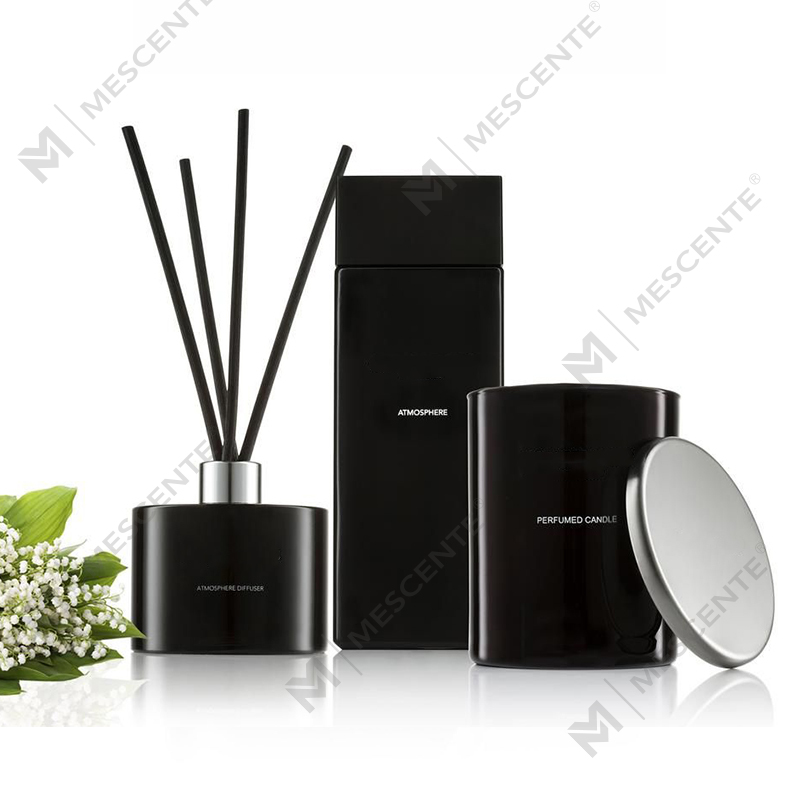 Private Label White Frosted Bottle Aromatherapy Reed Diffuser with BoxIdeal for brands seeking a modular private label option, this white frosted bottle diffuser can be customized across bottle shape, label, cap, reed color, and fragrance load.View Product →
Bottle shape, label stock, cap style, reed color, oil load, and carton design can be specified independently when the manufacturer operates its own filling and assembly line.
M-Scent's catalog reflects this modular approach: reed diffusers are organized by bottle format, material series, color theme, and use scenario, so a brand can start with an existing 180 ml glass bottle, change the label and fragrance, and launch a private label product without paying for a new mold.
 Luxury Private Label Organic Rattan Reed Diffuser with CustomizationA 6.75-ounce diffuser using organic rattan reeds for natural, heat-free scent release. Offers full OEM options and a two-year shelf life for stable retail inventory.View Product →
With 8 fiber reeds and a 15 to 20% fragrance oil load in a 25 square meter room, a 180 ml reed diffuser typically lasts 10 to 14 weeks. Reducing the reed count to 6 extends that window by several weeks but measurably weakens the scent throw.
A 250 ml bottle with a 14 to 18 mm neck opening should be fitted with 9 to 11 reeds. Start with 8 for a small room or a low oil load; add reeds only if the scent throw is too weak after the first 48 hours.
For living rooms and bedrooms, a 15 to 20% fragrance oil load in a DPG carrier delivers balanced performance. Loads above 22% suit hotel and commercial spaces where the scent must fill the room quickly and hold for weeks.
Refilling works only if the bottle has an airtight cap and the same fragrance oil is available. The reeds themselves become saturated and their pores gradually clog, so replacement reeds are required; for most buyers, treating the diffuser as a consumable unit is simpler and more economical.
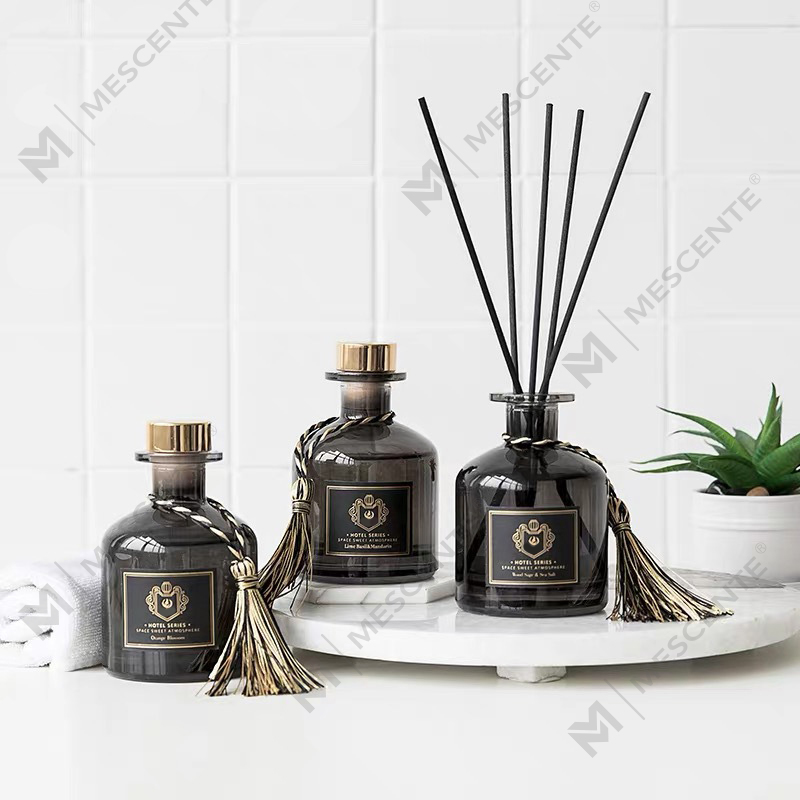
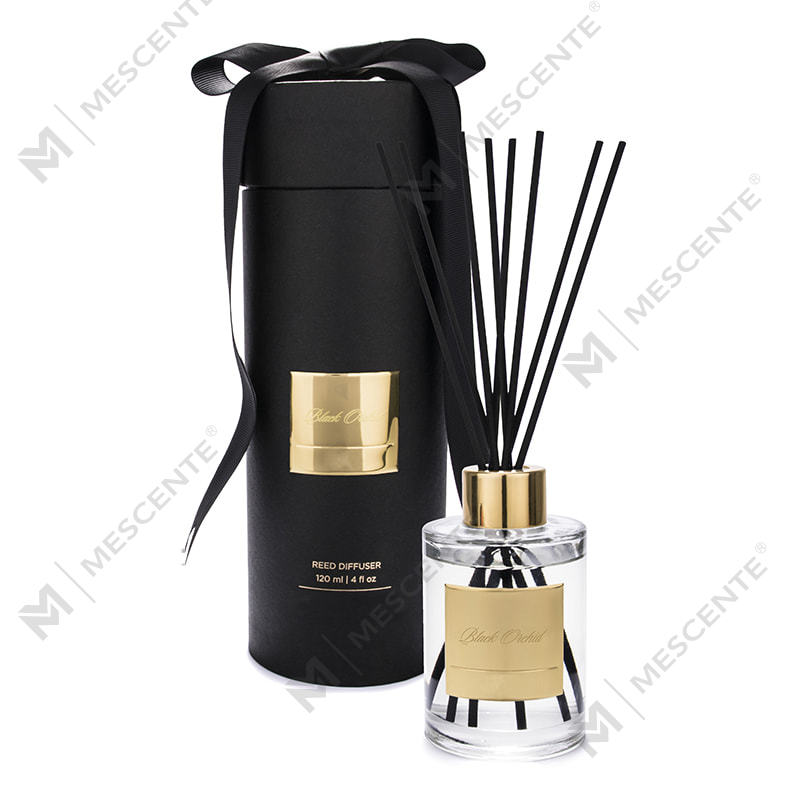
.jpg "150ml Home Fragrance Reed Diffuser Gift Set With Scented Candle A99189")
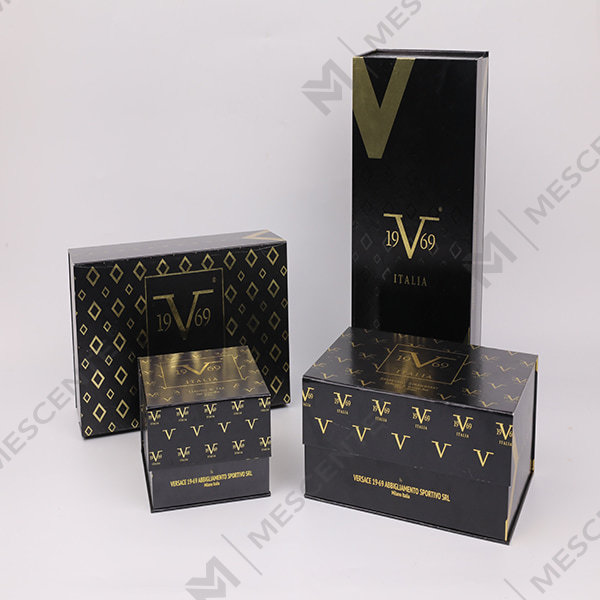
-1.jpg "140g Home Scented Candle Fragrance Reed Diffuser Gift Set A99199")

Address:
Building 10, No. 39, Muxu East Road, Mudu Town, Wuzhong District, Suzhou City, Jiangsu Province, China
Company
Products
Mobile
