



Home / Blog / Industry News / How to Choose a Reed Diffuser for Bedroom: Scent Performance, Duration, and Suitable Oils
How to Choose a Reed Diffuser for Bedroom: Scent Performance, Duration, and Suitable Oils
Content
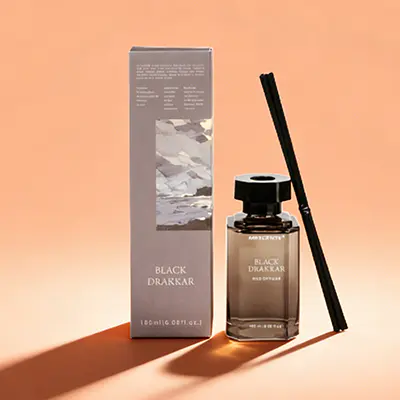
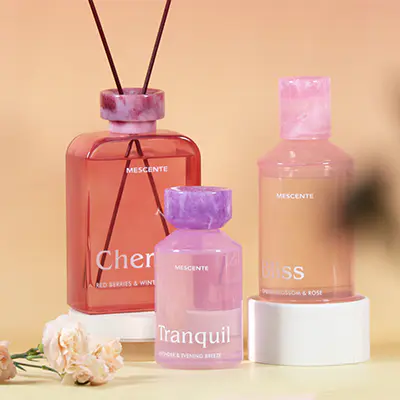
A reed diffuser for bedroom is one of the most effective ways to create a consistent, flame-free scent environment that supports sleep, relaxation, and a sense of calm. Unlike candles that require attention and aerosols that fade within minutes, reed diffusers work continuously — drawing fragrance oil up through rattan or fibre reeds and releasing it steadily into the air. Choosing the right diffuser, oil, and placement for a bedroom requires understanding four things: scent throw strength, longevity, oil compatibility, and room-specific fit.
The strongest-smelling reed diffusers combine a high fragrance oil concentration (15 – 20% by volume), a low-viscosity carrier base such as dipropylene glycol (DPG) or isopropyl myristate, and a high reed count using porous rattan rather than synthetic fibre sticks.
Three factors determine scent throw — the distance and intensity at which a diffuser is perceptible in a room:
Diffusers with 15 – 20% fragrance load produce a strong, room-filling scent. Budget products typically use 5 – 8% concentration, which only scents the immediate area around the vessel. Always check the product specification or ask for the fragrance-to-base ratio before purchasing.
Natural rattan reeds have an open cellular structure that wicks oil efficiently — a 30 cm rattan reed delivers approximately 40% more fragrance per day than a synthetic fibre reed of the same length. Reeds should be flipped every 7 – 10 days to refresh the scent; saturated reeds lose wicking efficiency after 6 – 8 weeks and should be replaced.
DPG (dipropylene glycol) is the industry standard for maximum scent throw — it has low viscosity, high fragrance solubility, and a slow evaporation rate that extends diffuser life. Avoid diffusers using water or alcohol as the primary base; they evaporate too quickly and reduce longevity by up to 60%.
More reeds does not always mean stronger scent — it means faster evaporation. For a bedroom of 12 – 18 sqm, use 6 to 8 reeds for balanced throw and longevity. Filling all available holes in the stopper accelerates oil consumption by up to 35% and reduces diffuser life proportionally.
A 100 ml reed diffuser lasts 2 to 4 months in a bedroom under standard conditions (20 – 22 degrees Celsius, moderate airflow, 6 – 8 reeds). A 200 ml bottle extends this to 4 – 6 months. Three variables shorten or extend that range significantly.
| Variable | Effect on Longevity | Optimisation |
| Room temperature | Every 5 degree C increase accelerates evaporation by 15 – 20% | Keep diffuser away from radiators and sunny windowsills |
| Airflow / ventilation | Open windows or fans increase evaporation rate by up to 40% | Position diffuser in a still corner, not near air vents |
| Reed count | Each additional reed increases daily oil consumption by 8 – 12% | Use 6 reeds for longevity; add more for occasional scent boost |
| Carrier base viscosity | Low-viscosity bases (DPG) wick faster than mineral oil blends | Mineral oil bases last 20 – 30% longer but have lighter throw |
| Bottle neck width | Wide openings increase surface evaporation independent of reeds | Choose bottles with narrow necks for controlled release |
The best fragrance oils for a bedroom diffuser are those that support sleep, reduce cortisol response, and do not overwhelm a small enclosed space. Research published in the Journal of Alternative and Complementary Medicine (2015) found that lavender inhalation reduced heart rate and skin temperature — two physiological markers of relaxation — within 20 minutes of exposure.
Selecting the right reed diffuser for bedroom use comes down to matching four criteria: room size, scent family preference, bottle volume, and aesthetic fit with the room's design.
Ready to find a reed diffuser for bedroom that balances scent strength, longevity, and design? Explore our full collection of reed diffuser for bedroom options — available in calming florals, warm woods, and clean white-tea blends, with 15%+ fragrance concentrations and natural rattan reeds included.
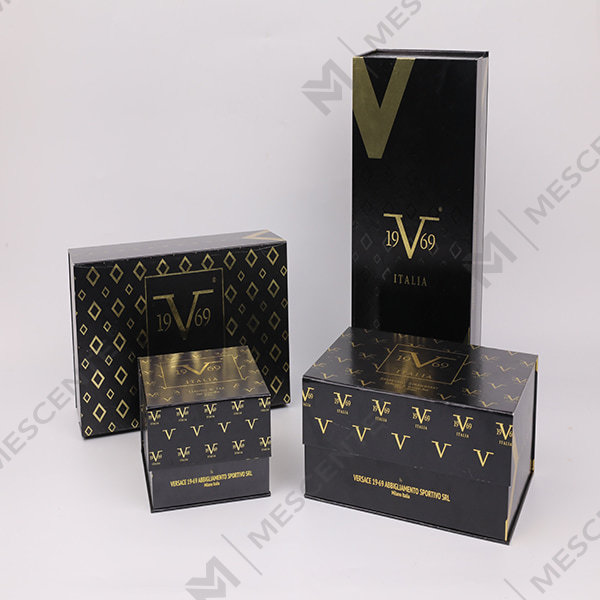
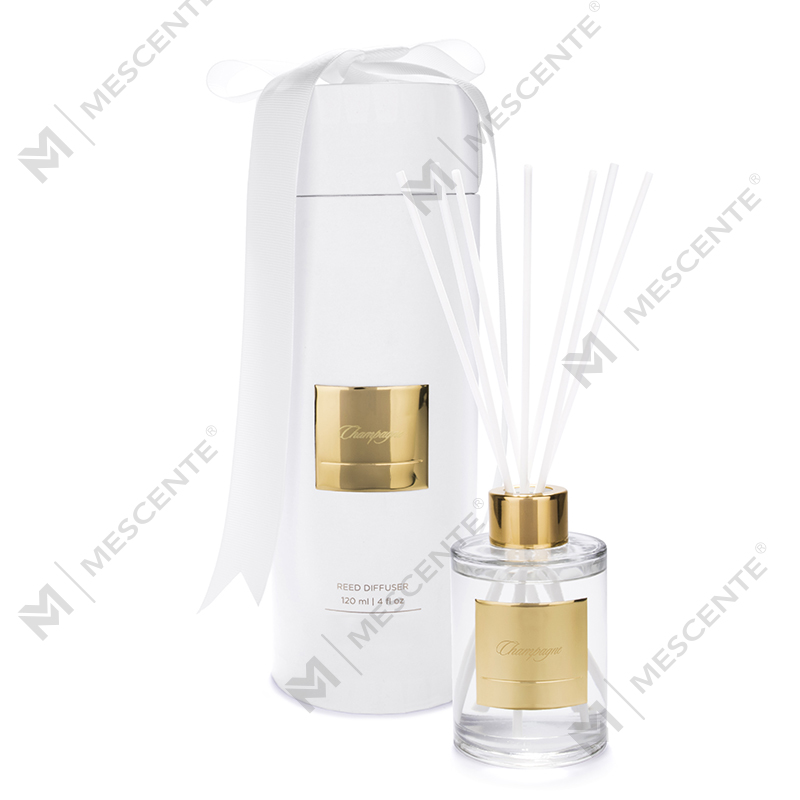
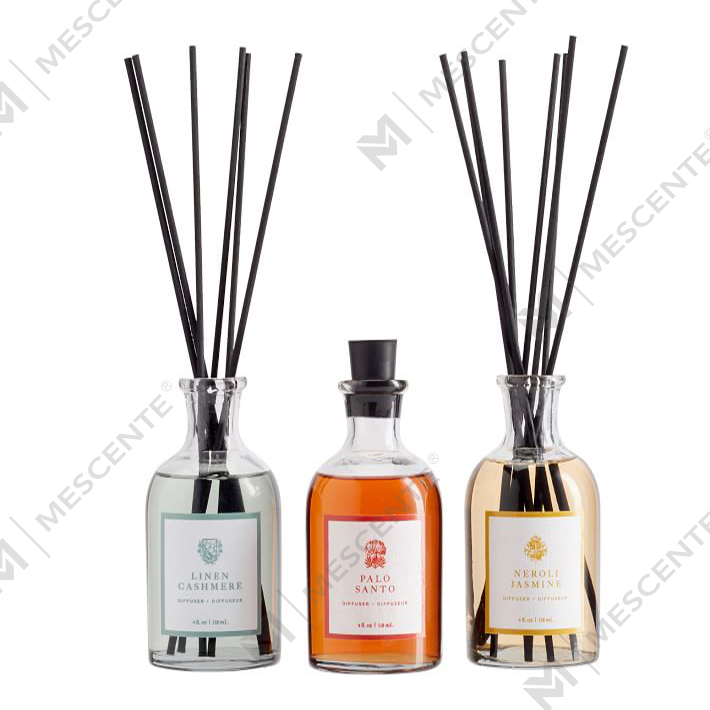
.jpg "150ml Home Fragrance Reed Diffuser Gift Set With Scented Candle A99189")
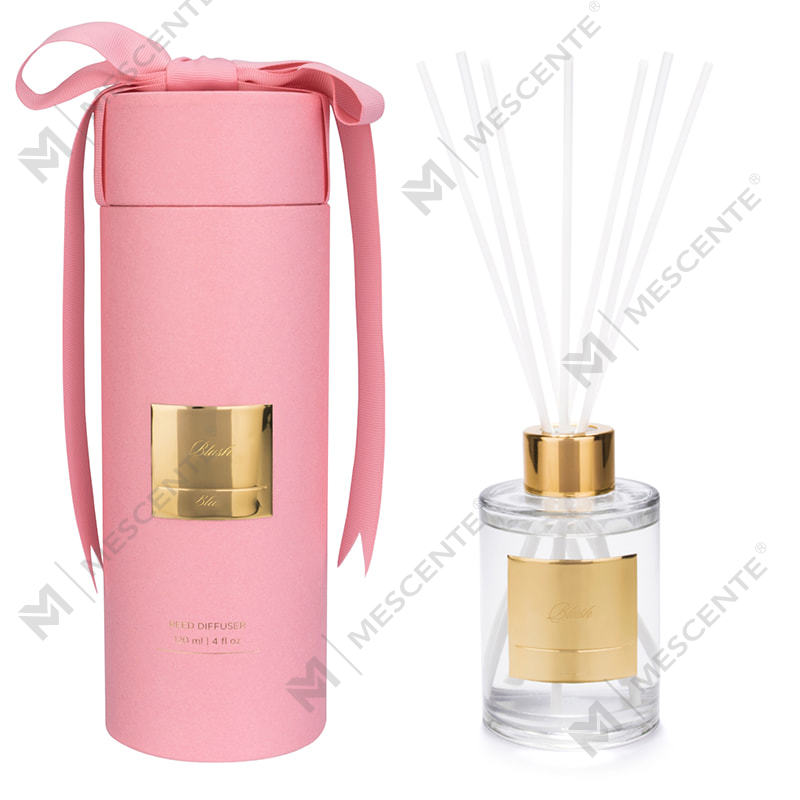
-1.jpg "140g Home Scented Candle Fragrance Reed Diffuser Gift Set A99199")

Address:
Building 10, No. 39, Muxu East Road, Mudu Town, Wuzhong District, Suzhou City, Jiangsu Province, China
Company
Products
Mobile
