


Perfume Room Diffuser: Do They Work & How to Use
Content
A perfume room diffuser is one of the most effortless ways to keep your living space smelling consistently beautiful — no flames, no timers, no effort. But do they actually work, and are they worth the investment? This guide answers every question you have, from how diffusers perform in real rooms to where you should — and should not — store your fragrances.
Do Room Diffusers Work? The Evidence
Room diffusers work — and they work well when sized and positioned correctly. A reed diffuser relies on capillary action: porous reeds draw fragrance oil upward through their fibres and release scent molecules into the surrounding air continuously. Studies on ambient scenting show that consistent low-level fragrance exposure is more effective at shaping perceived room atmosphere than short bursts from sprays.
70% of consumers report that ambient home fragrance positively influences their mood within 15 minutes of entering a scented room (Mintel Home Fragrance Report)
The key variables that determine how well a perfume room diffuser performs are room size, airflow, and oil concentration. A 100 ml diffuser with 6–8 reeds covers approximately 20–30 square metres effectively. Rooms with natural air circulation — near windows or HVAC vents — diffuse scent faster but may consume oil more quickly.
Reed Diffuser
- Continuous 24/7 fragrance release
- No electricity or heat required
- Lasts 4–12 weeks per bottle
- Subtle, consistent scent trail
Room Spray / Spritz
- Immediate but short-lived burst
- No passive diffusion
- Scent fades within 30–60 minutes
- Manual effort required
How to Perfume a Room Properly
Knowing how to perfume a room goes beyond simply placing a diffuser on a shelf. Placement, ventilation, and scent layering all determine whether a fragrance feels immersive or barely noticeable.
Choose the right entry point
Place your perfume room diffuser near the room entrance or in a spot with moderate airflow. Scent travels with air movement — a well-positioned diffuser greets you as soon as you walk in.
Elevate to mid-height
Set the diffuser on a side table or shelf between 60 cm and 100 cm off the ground. Fragrance molecules are denser than air and settle downward — mid-height placement gives them the longest dispersal path.
Flip reeds every 1–2 weeks
Turning the reeds refreshes the saturated ends and reactivates scent throw. Flip them over a sink or tray to catch drips, then gently fan the air to disperse an immediate burst of fragrance.
Layer with a complementary candle
For special occasions, light a candle in the same fragrance family as your diffuser. Heat accelerates molecular dispersion and the two scent profiles blend into a richer, three-dimensional aroma.
Match room size to bottle volume
A 50 ml bottle suits bathrooms and hallways. A 200 ml or larger perfume room diffuser is needed for open-plan living rooms above 25 square metres.
Should Perfume Be Refrigerated?
Perfume should not be refrigerated as a default rule — but the reason is more nuanced than a simple yes or no. Fragrance molecules degrade through three main agents: heat, light, and oxygen. A refrigerator eliminates heat but introduces two new risks: humidity fluctuation every time the door opens, and proximity to food odours that can permeate a bottle with a loose cap.
Expert Definition
Fragrance oxidation occurs when volatile top notes — typically citrus and aldehydic compounds — react with oxygen, causing a perfume to smell flat, sour, or medicinal over time. Temperature stability slows this reaction significantly.
The ideal storage condition for both perfume and perfume room diffuser oils is a cool, dark, dry environment: a drawer, cabinet, or dedicated fragrance shelf away from windows and radiators. If you live in a climate where indoor temperatures regularly exceed 25°C, a wine cooler (not a food refrigerator) set to 12–15°C is a legitimate option for preserving fine fragrances.
| Storage Location | Temperature Stability | Humidity Risk | Recommended |
| Bedroom drawer | Stable | Low | Yes |
| Bathroom shelf | Variable (steam) | High | No |
| Windowsill | Poor (UV + heat) | Low | No |
| Food refrigerator | Good | Moderate | Only if sealed |
| Wine cooler | Excellent | Controlled | Yes (for collections) |
Getting the Most from Your Perfume Room Diffuser
A high-quality perfume room diffuser built with fine fragrance oil — rather than synthetic filler — delivers a scent profile that evolves over weeks, just like a fine perfume on skin. To maximise longevity and performance:
- Start with fewer reeds (4 out of 8) and add more if the scent throw feels insufficient — this extends oil life considerably.
- Store the bottle upright between uses; tilting accelerates oil evaporation from the neck.
- Replace reeds entirely when refilling — old reeds accumulate dust and impede capillary flow by up to 40%.
- Avoid placing the diffuser directly beside an air conditioning or fan outlet; continuous strong airflow burns through oil two to three times faster.
Frequently Asked Questions
How long does a perfume room diffuser last?
A standard 100 ml reed diffuser lasts between 4 and 8 weeks under normal conditions. In warmer rooms or spaces with regular airflow, expect closer to 4 weeks. In cooler, still rooms the same bottle can last up to 12 weeks.
Do room diffusers work in large open-plan spaces?
Yes, but a single 100 ml diffuser is rarely sufficient for spaces above 30 square metres. Place two diffusers at opposite ends of the room, or choose a 200 ml+ bottle with 10 or more reeds for adequate scent coverage throughout.
Should perfume be refrigerated to make it last longer?
Only if stored in a sealed, odour-free environment like a wine cooler. A cool, dark drawer is the safest and most practical choice for most people. The bathroom — despite being convenient — is the worst place to store perfume due to steam and temperature spikes from hot showers.
How do I perfume a room without a diffuser?
Spray a small amount of eau de toilette onto a cold light bulb (never a hot one), tuck scented sachets inside cushion covers, or place a few drops of fragrance oil on a wooden decoration near an air vent. For a lasting, hands-free solution, a perfume room diffuser remains the most reliable and elegant method.
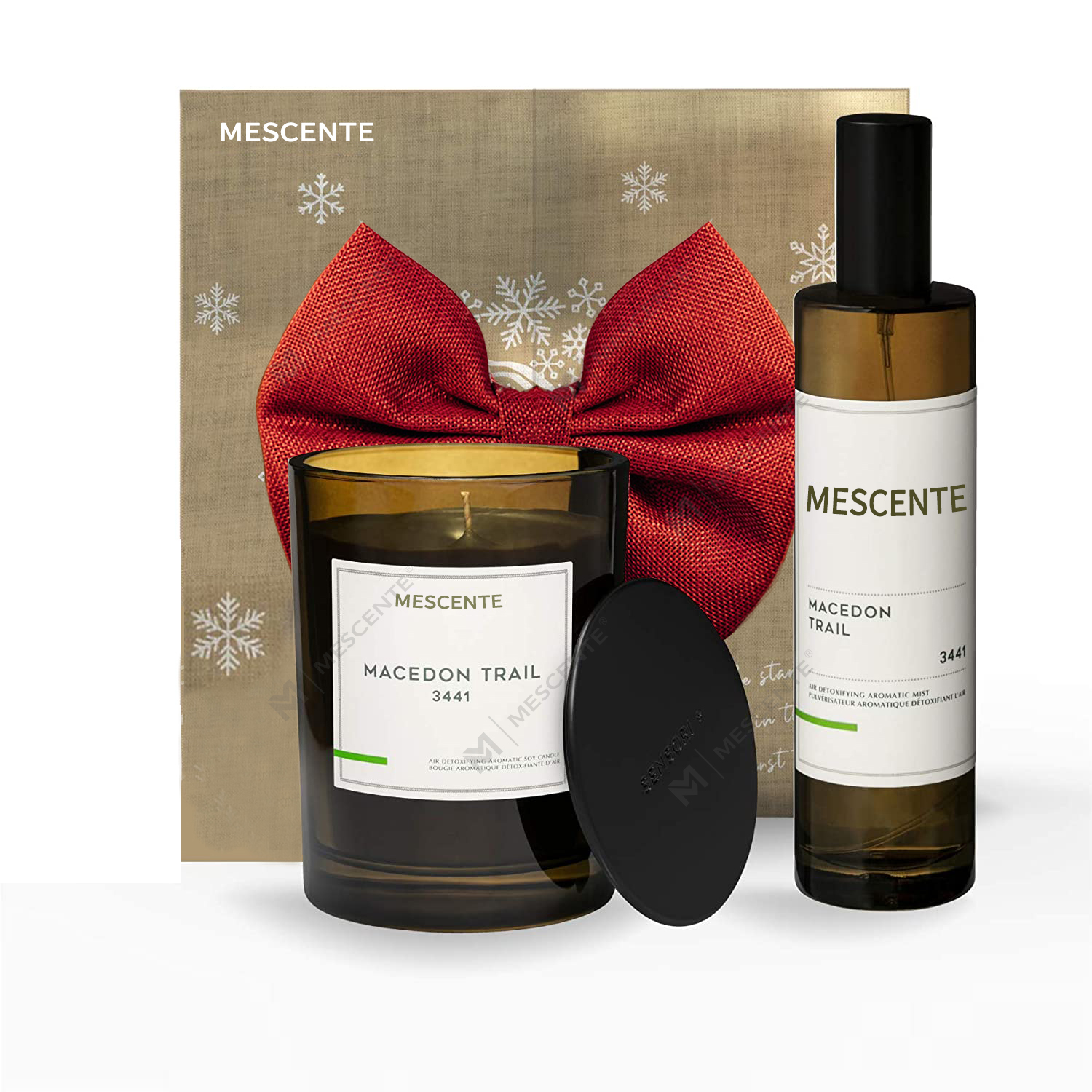
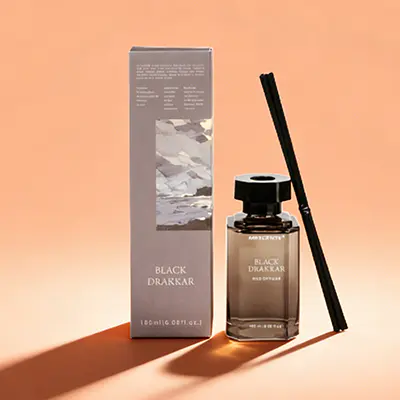
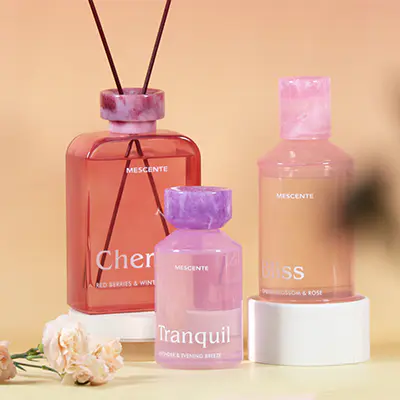
-2.jpg "M&Scent Luxury Custom Private Label Glass Bottle Flower Liquid Reed Diffuser With Gift Box")
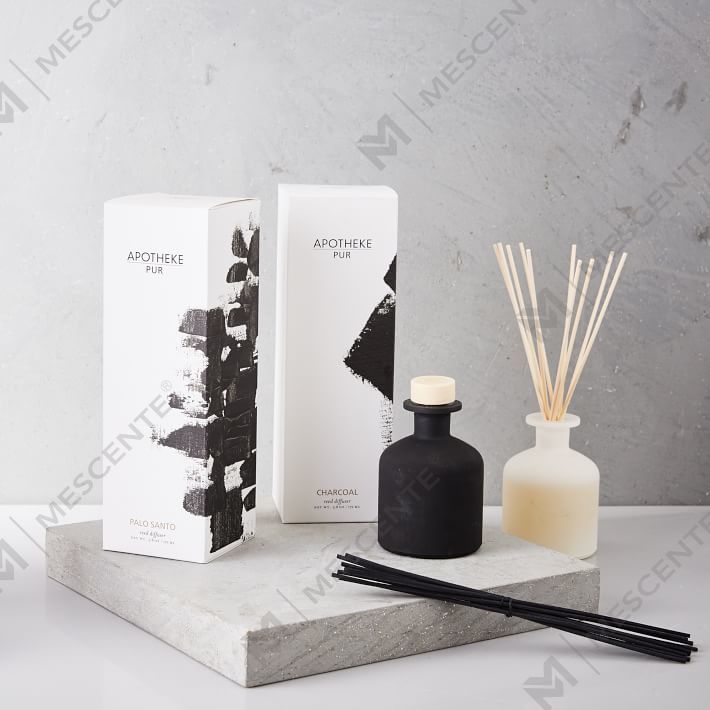
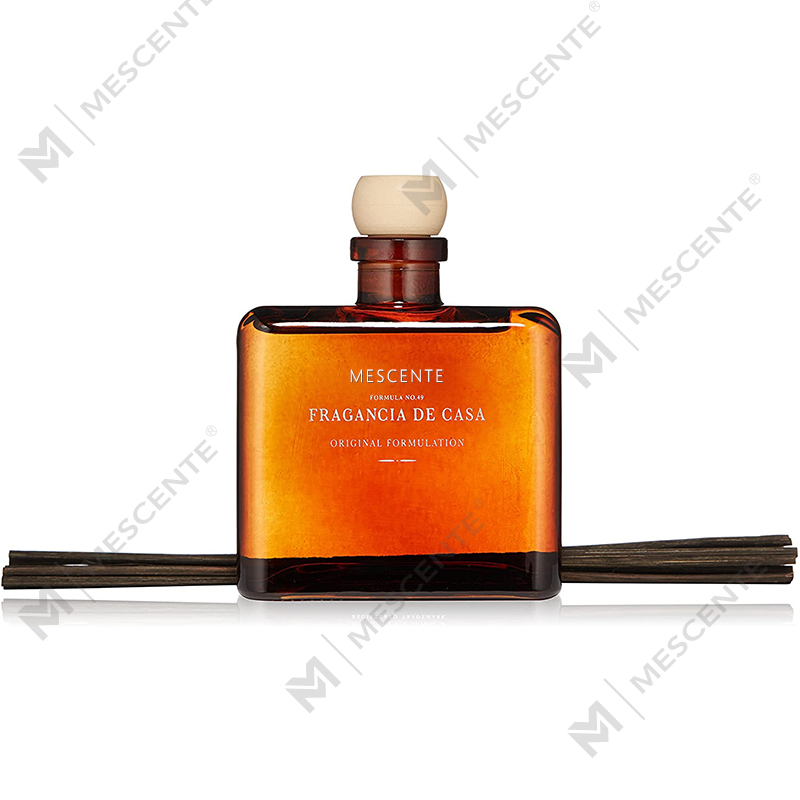
.jpg "Mini White Bottle Flower Perfume Aroma Reed Diffuser Oil, Fragrance Thailand Reed Diffuser Gift Set")