


Home / Blog / Industry News / How Scented Reed Diffusers Are Made: A Manufacturer's Step-by-Step Guide
How Scented Reed Diffusers Are Made: A Manufacturer's Step-by-Step Guide
Content
You have probably unscrewed the cap of a new reed diffuser, slid the sticks into the liquid, and watched the fragrance slowly move through the room. What decides whether that first hour becomes four weeks of consistent scent is not the packaging or the price tag. It is the manufacturing process: the chemistry of the base, the solubility of the fragrance, the capillary action of the reeds, and the way the bottle is filled and sealed.
Simply put, scented reed diffusers are made by blending a carrier base with fragrance oil, pouring the mixture into a glass or ceramic vessel, packing a set of reeds, and closing everything for shipping. Behind that simple summary, however, are a number of controlled decisions that determine scent throw, lifespan, and safety.
A reed diffuser has three functional parts: the liquid solution, the reeds, and the bottle system that holds them together.
The base is usually a low-viscosity carrier oil, often a light synthetic isoparaffinic solvent or a refined mineral oil. Some manufacturers add a small percentage of alcohol to thin the solution and help the fragrance climb the reeds. The base must be clear, odourless, and miscible with the fragrance oil you choose.
Fragrance oil or essential oil is blended into the base at a concentration that balances intensity with safety. Commercial formulations typically use between 10 and 30 percent fragrance load, depending on the IFRA limit for the specific material and the carrier’s solvency. The oil must be completely miscible; a blend that separates in the bottle will produce an uneven scent and may clog the reeds.
Two families of reeds dominate production: natural rattan sticks and synthetic fibre sticks. Natural rattan has a warm, textured look and supplies a gentle, steady wick. Fibre sticks have more uniform pores, wick faster, and often produce a stronger scent throw. Wood sticks are sometimes used for decoration, but they absorb oil rather than transport it.
Here is how a typical factory run of scented reed diffusers moves from raw material to packed carton.
The carrier oil is pumped into a stainless steel mixing tank. If the formula calls for alcohol or a viscosity modifier, it is added slowly while the mixer runs at low speed. The base is prepared in batch sizes that match production orders, and every batch is logged by date and lot.
Fragrance oil is weighed on a calibrated scale and added to the base. The mixture is stirred for enough time to become completely homogeneous, usually 15 to 30 minutes depending on batch volume. Heat is rarely used, because fragrance oils are sensitive to temperature. A laboratory sample is taken from the tank to check clarity and odour intensity.
The filled tank is allowed to sit for 24 to 48 hours. This resting period lets air bubbles escape and gives the fragrance molecules time to stabilise. It also reveals any signs of separation or cloudiness that would not show immediately after mixing.
Bottles are cleaned, inspected, and placed on a filling line. The diffuser solution is filled to a precise level, often between 80 and 90 percent of the bottle’s capacity, so that the liquid surface remains above the top of the reeds after insertion. The neck is wiped, and the cap or stopper is applied.
Rattan or fibre sticks are cut to a predetermined length, sorted, and bundled. They are usually shipped loose beside the bottle rather than pre-inserted, because inserted reeds can leak during transit. Some display-ready diffusers are fully assembled at the factory, but even then the reeds are sealed in a separate wrapper inside the box.
Each bottle receives a label, a lot code, and, when required, a tamper-evident seal. Packed units are checked for leakage by inverting samples from each batch. The final carton is inspected for label alignment, cap tightness, and net weight before dispatch.
Two numbers matter more than any others: how strongly the fragrance reaches the room and how many weeks the bottle lasts. Both are set by the product design.
A diffuser with 5 percent fragrance simply cannot produce the same scent intensity as one with 20 percent. The practical ceiling is usually set by the IFRA certificate for the fragrance material, because the same material that smells good in a candle may require a lower limit in a leave-on product that evaporates at room temperature. Working with a manufacturer that checks IFRA compatibility matters for importers and private label buyers.
Reeds are not just wooden sticks; their internal channels must pull the solution upward without becoming clogged. Natural rattan works well with lighter formulas. Fibre sticks are manufactured with uniform pore sizes, so they offer more predictable performance and a stronger initial scent throw.
| Reed type | Wicking speed | Scent strength | Typical lifespan | Best for |
|---|---|---|---|---|
| Natural rattan | Moderate | Gentle and steady | 4-6 weeks | Luxury glass bottles, standard home use |
| Synthetic fibre stick | Fast and uniform | Stronger initial throw | 6-8 weeks, but replace oil sooner | Hotel rooms, retail labels that need reliable performance |
| Solid wood | Low | Weak, uneven | Variable | Decorative pieces rather than functional diffusers |
A wide-neck bottle exposes more liquid surface area and accepts more reeds, which increases evaporation and scent intensity. A narrow-neck bottle keeps the fragrance controlled but lasts longer. Typical commercial diffusers use eight to fifteen reeds for a 100-180 ml bottle. Adjusting reed count is one of the fastest ways to tune a product for a target room size.
Temperature and airflow affect wicking. In a hot, air-conditioned hotel corridor, the same diffuser will evaporate faster than it would in a cool bedroom. Manufacturers cannot control the room, but they can adjust the base viscosity and the supplied reed count to make the product more forgiving.
Whether you are mixing a small pilot batch or reviewing a supplier’s factory samples, watch for these mistakes.
For hotel procurement teams, private label importers, and retail buyers, the manufacturing process is also a customisation process. The same base chemistry and filling line can be adapted to different bottle shapes, fragrance families, and label designs.
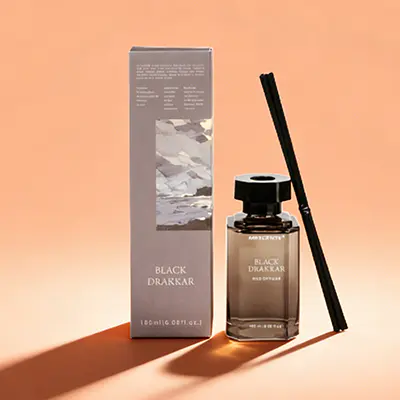
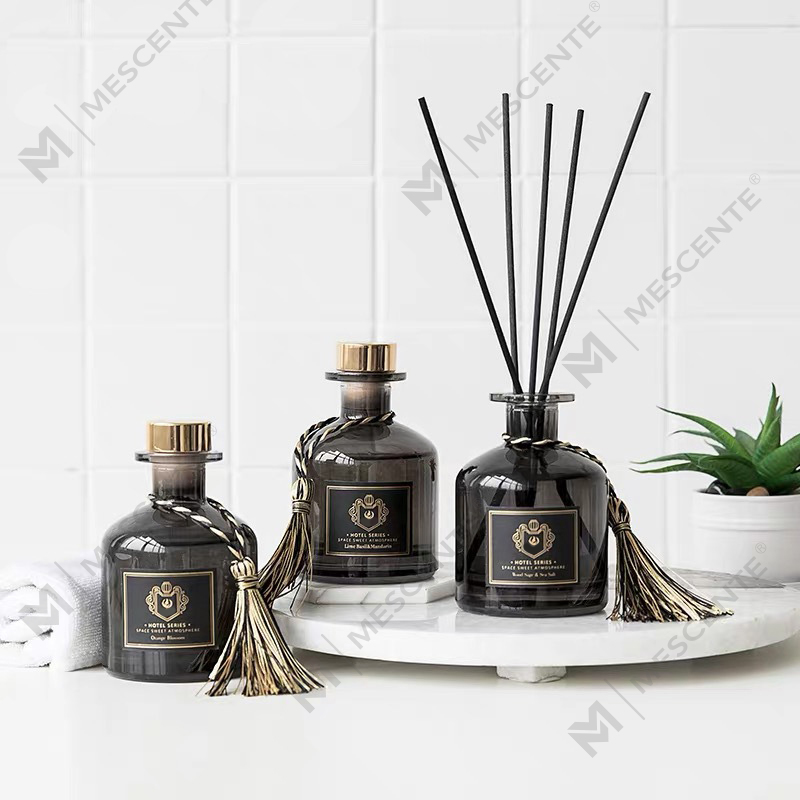
One of the most common B2B requests is a custom bottle that fits a hotel’s décor. A practical example is a 180ml custom glass bottle essential oil reed diffuser designed for hospitality environments, which balances a professional appearance with a compact footprint for tabletops and bath ledges. This is the kind of product that works when you need a durable, replaceable unit rather than a disposable decorative piece.
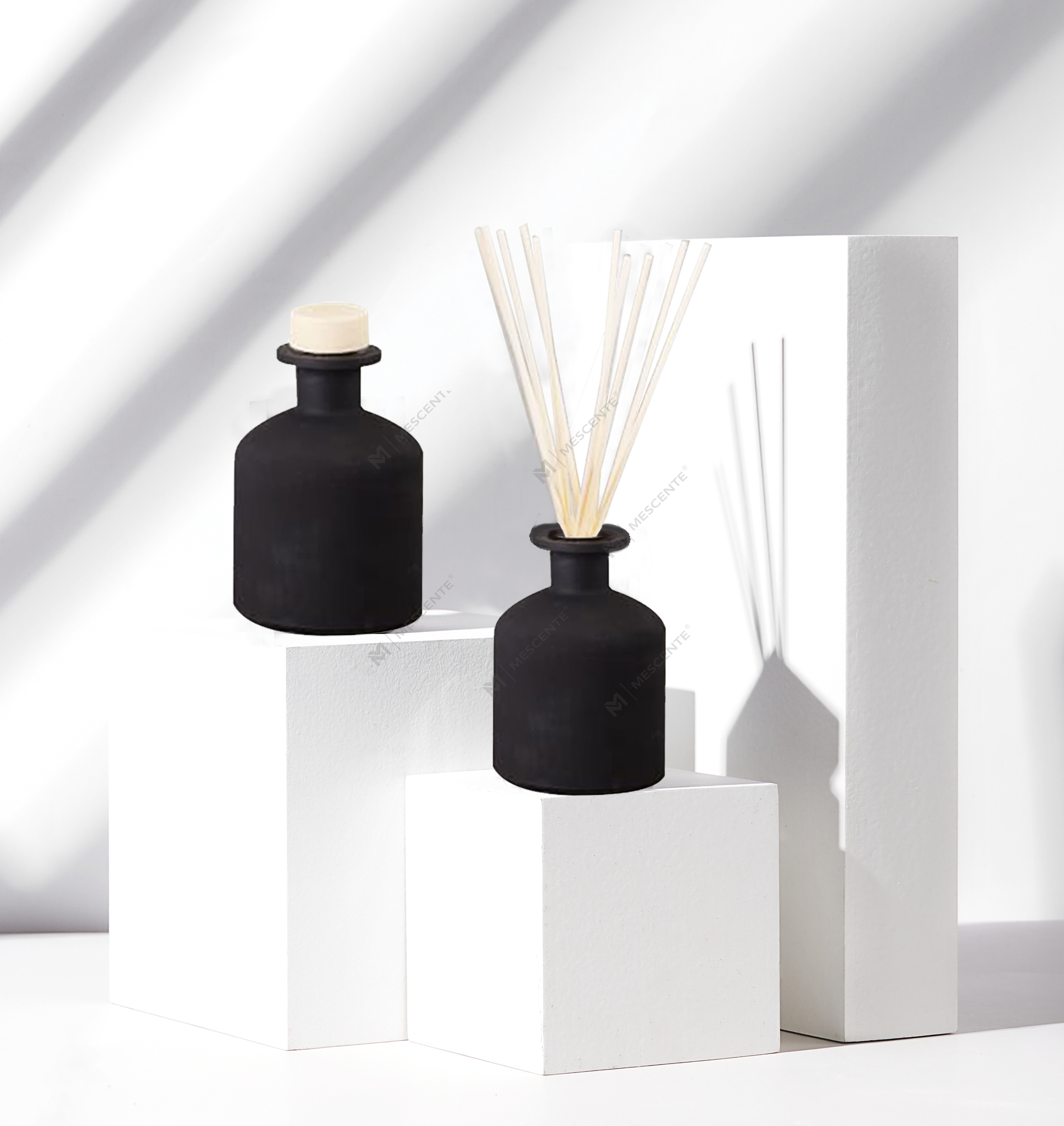 Custom Mescente Luxury 180ml Customised Glass Bottle Essential Oil Reed DiffuserSuzhou M&scent Is China Custom Mescente Luxury 180ml Customised Glass Bottle Essential Oil Reed Diffuser For Hotels ODM/OEM Suppliers, Co...View Product →
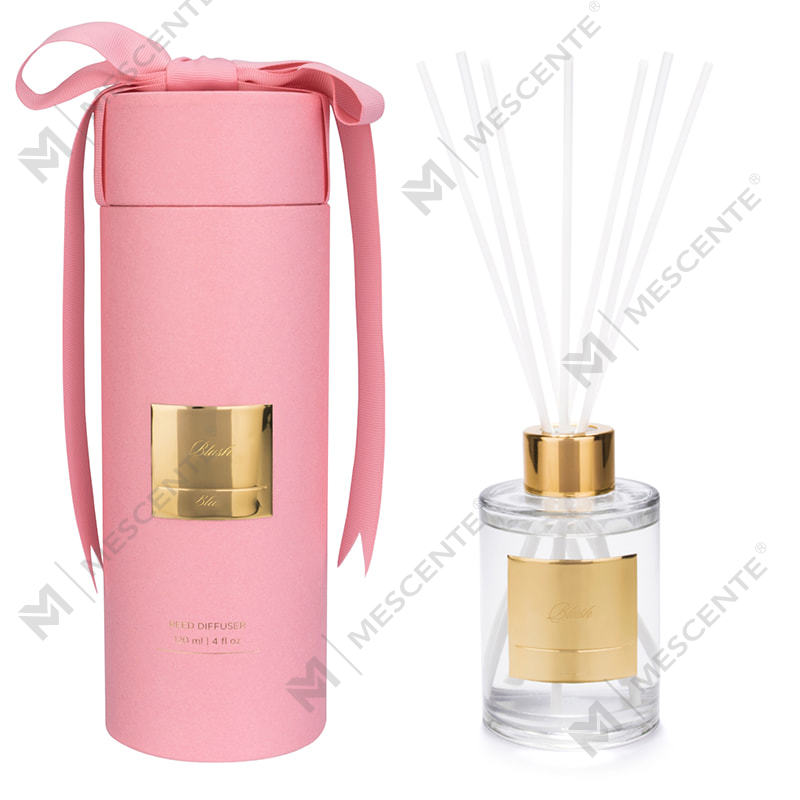
Retail brands often choose a private label fibre-stick diffuser because fibre sticks give faster wicking and a more consistent customer experience. This version is a strong starting point if you plan to sell the same formula under multiple fragrance names.
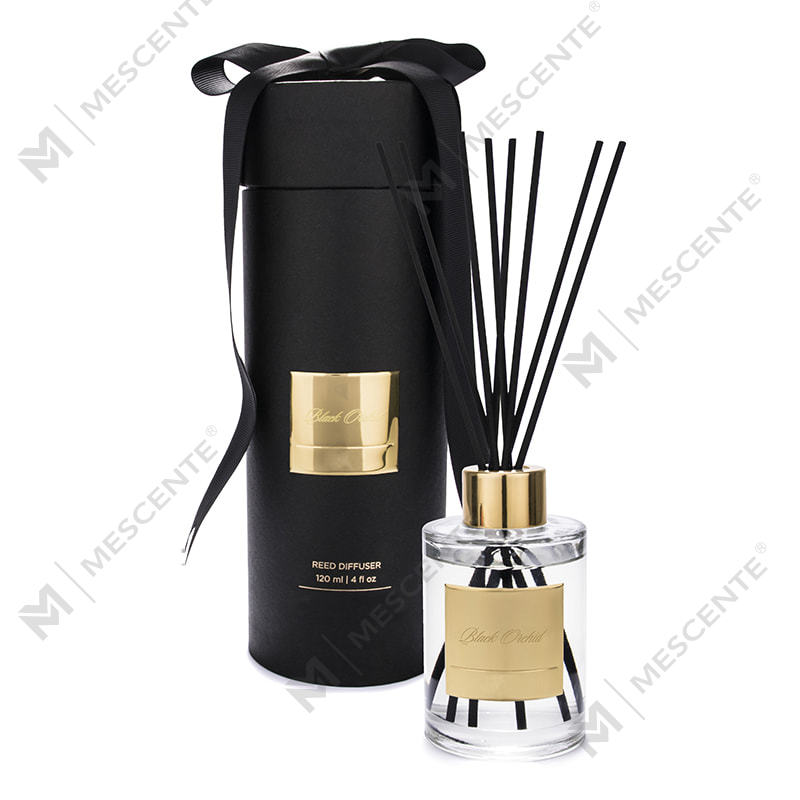 Custom M&Scent Luxury Private Label Home Fragrance Fiber Stick Reed Diffuser A29Suzhou M&scent Is China Custom M&Scent Luxury Private Label Home Fragrance Fiber Stick Reed Diffuser A29261-1 ODM/OEM Suppliers, Company,...View Product →
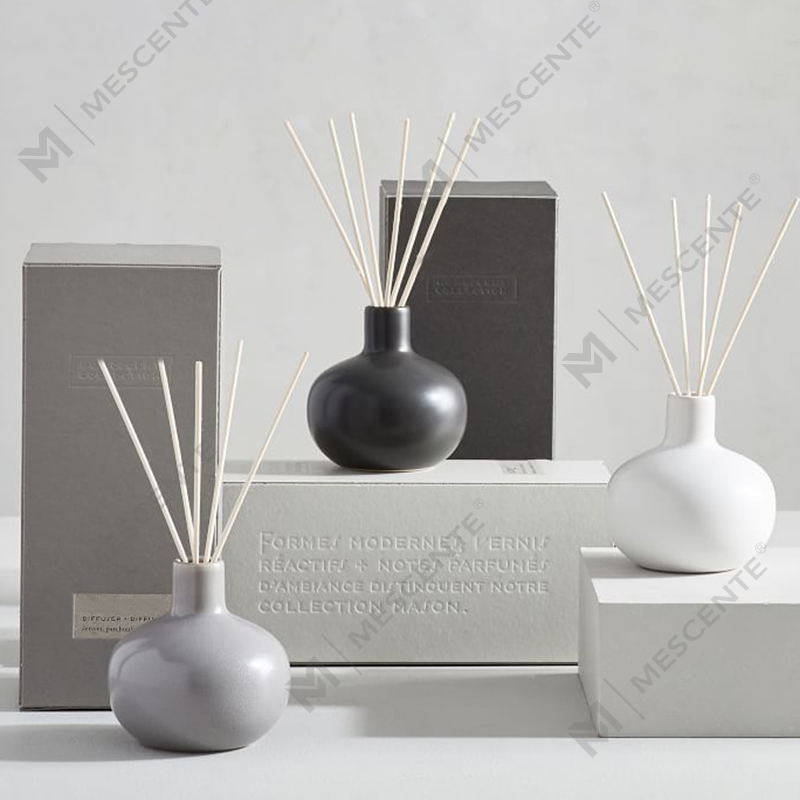
When the bottle itself is part of the brand story, a custom ceramic bottle reed diffuser gives you more freedom in shape, colour, and texture than standard glass. Ceramic also holds temperature more evenly, which can help stabilise evaporation.
If you are evaluating different options, browse the full reed diffuser range to compare bottle dimensions and packaging, or read our guide on reed material and diffuser longevity to understand how reed choice changes day-to-day performance. You can also view the complete home fragrance product catalog if you plan to combine reed diffusers with candles, room sprays, or scented stones.
Scented reed diffusers look like the simplest home fragrance product to make, but the manufacturing process determines whether they fill a room or disappear after three days. From the carrier oil and fragrance blend to the type of reed and the width of the bottle neck, every variable can be tuned for a specific customer expectation. That is what a good factory does, batch after batch, long before the cap ever reaches the end user.
-1.jpg "140g Home Scented Candle Fragrance Reed Diffuser Gift Set A99199")
.jpg "150ml Home Fragrance Reed Diffuser Gift Set With Scented Candle A99189")

Address:
Building 10, No. 39, Muxu East Road, Mudu Town, Wuzhong District, Suzhou City, Jiangsu Province, China
Company
Products
Mobile
