


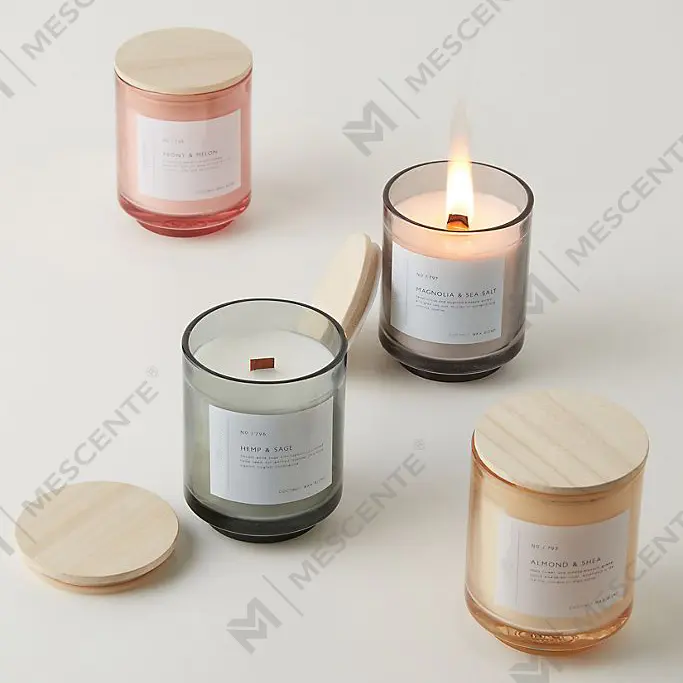
Perfume Room Diffuser: Safe, Worth It & Pet Guide
Content
Bottom line: A perfume room diffuser is worth it for consistent, low-maintenance ambient scenting — and for most households, reed diffusers and passive evaporative types are safe, non-toxic, and pet-friendly when used with natural or IFRA-compliant fragrance oils in well-ventilated rooms. Ultrasonic diffusers using essential oils carry the most pet-safety risk. Cheap synthetic fragrance products with undisclosed chemical bases are where "bad" or "toxic" concerns legitimately arise.
Are Room Diffusers Worth It?
Room diffusers deliver measurable, lasting fragrance without open flames, regular intervention, or the quick burn-off of a candle. Whether the investment makes sense depends on your scenting goal and which diffuser type you choose.
A quality reed diffuser in a 100 ml bottle lasts 8 to 12 weeks in a room of 20–30 m², releasing fragrance continuously 24 hours a day. A comparable candle of the same fragrance concentration burns out in 40–60 hours of active use. For background scenting in a hallway, bathroom, or home office where you simply want a pleasant ambient smell — not an event-level fragrance moment — a reed or passive diffuser returns far more scented hours per dollar than any candle.
Ultrasonic electric diffusers add humidification and allow concentration control, but require regular cleaning (every 3–7 days to prevent mold and mineral buildup in the water reservoir) and an ongoing supply of essential oils or water-soluble fragrance concentrates. For users who want set-and-forget convenience, this maintenance overhead reduces the practical value.
Reed Diffuser
Best for passive, continuous scenting
- Zero maintenance between flips
- 8–12 weeks per 100 ml bottle
- No electricity, no water, no timer
- Consistent throw in smaller rooms
Ultrasonic Diffuser
Best for adjustable intensity + humidity
- Timer and mist level control
- Doubles as a cool-mist humidifier
- Clean every 3–7 days
- Essential oils cost varies widely
Nebulizing Diffuser
Best for strong, undiluted scent throw
- No water — pure oil atomized
- Strongest scent output type
- Higher oil consumption rate
- Run in 15–30 min intervals
Are Room Diffusers Bad for You?
Room diffusers are not inherently bad — but specific product formulations and usage conditions can make them problematic. The concerns split into two distinct categories: chemical composition of the fragrance oil, and concentration levels in enclosed spaces.
The majority of fragrance safety regulation in the diffuser industry references the IFRA (International Fragrance Association) standards, which set usage limits for over 3,900 fragrance ingredients based on dermal and inhalation safety data. Products formulated to IFRA guidelines carry significantly lower risk than unregulated budget products using synthetic aromatic compounds with no disclosure of chemical composition.
The specific concerns with poor-quality diffuser products include:
- Phthalates as fixatives: Some synthetic fragrance bases use diethyl phthalate (DEP) as a carrier and fixative. DEP is a suspected endocrine disruptor. Reputable fragrance suppliers have largely moved away from phthalates, but cheap diffuser oils — particularly those without ingredient disclosure — may still contain them. Look for "phthalate-free" on the label or request a safety data sheet.
- VOC concentration buildup: In rooms smaller than 10 m² with poor ventilation, even IFRA-compliant diffuser oils can raise VOC (volatile organic compound) levels above comfortable thresholds. Studies measuring indoor air quality in diffuser-active rooms found VOC spikes of 150–400 µg/m³ above baseline in unventilated bathrooms — below WHO guideline limits but noticeable for sensitive individuals.
- Isopropyl alcohol carrier solvents: Many reed diffuser bases use isopropyl alcohol (IPA) at 30–50% concentration as a carrier to improve reed wicking. IPA is flammable and its vapors are mildly irritating in high concentrations. Keep diffusers away from open flames and in ventilated spaces — standard guidance that reputable manufacturers print on every bottle.
In summary: a certified, IFRA-compliant perfume room diffuser used in a normally ventilated room is not bad for most adults. The risk rises with cheap synthetic products, tiny enclosed spaces, and continuous high-output diffusion.
Are Room Diffusers Toxic?
Toxicity in room diffusers is a function of what is in the fragrance oil and how much of it reaches the air. For context: the European Union's CLP Regulation and the US Consumer Product Safety Commission both classify diffuser products by hazard category. Most compliant reed diffuser products fall into no hazard category or the lowest (Category 5 oral hazard) — meaning they are not toxic at normal ambient concentrations.
| Ingredient Type | Risk Level | What to Check |
|---|---|---|
| Natural essential oils (IFRA-listed) | Low | Confirm IFRA compliance, check for sensitizers |
| Synthetic fragrance (disclosed) | Low–Medium | Request SDS; check for phthalates, nitro-musks |
| Synthetic fragrance (undisclosed) | Medium–High | Avoid; no basis to assess safety |
| Isopropyl alcohol carrier | Low (ventilated use) | Keep away from flames; ventilate rooms |
| DPG (dipropylene glycol) carrier | Very Low | Preferred low-toxicity carrier; GRAS-listed |
The most frequently cited "toxic" scenarios involve ingestion by children or pets — not inhalation by adults. A child who drinks from a reed diffuser bottle containing an IPA-based carrier is at genuine risk of alcohol poisoning. This is a storage and access issue, not an air-quality issue: store all diffuser products out of reach of children, exactly as you would cleaning products or medicines.
Are Room Diffusers Safe for Pets?
Pet safety is the most nuanced area of diffuser use, because the answer differs significantly by diffuser type, fragrance ingredient, and pet species. The blanket statement that "diffusers are dangerous to pets" is an oversimplification — but there are specific, well-documented risks that pet owners must understand.
Cats are the highest-risk species. Cats lack the liver enzyme (UDP-glucuronosyltransferase) that metabolizes phenolic compounds found in many essential oils — including tea tree, eucalyptus, clove, cinnamon, and oregano. Ultrasonic diffusers disperse these compounds as microscopic water droplets that can settle on cat fur and be ingested during grooming, leading to hepatotoxicity. A reed diffuser or passive evaporative diffuser releases far lower airborne concentrations and does not produce respirable droplets — the risk profile is materially different.
Dogs have a broader metabolic capacity than cats but are still sensitive to high concentrations of certain essential oils (tea tree, pennyroyal, wintergreen). The ASPCA Animal Poison Control Center lists these as toxic to dogs above threshold exposure levels. At normal ambient diffuser concentrations in ventilated rooms, the exposure is typically well below clinically significant doses — but dogs with pre-existing respiratory conditions (brachycephalic breeds, dogs with collapsing trachea) may show discomfort at lower concentrations than healthy dogs.
Birds have the highest sensitivity of common household pets to airborne compounds. Their respiratory anatomy — air sacs that maintain unidirectional airflow — means a single exposure to high concentrations of VOCs can be acutely lethal. Do not use any active diffuser (ultrasonic or nebulizing) in rooms where birds are housed, or in adjacent rooms with open air circulation to the bird space.
Safe use guidelines for pet households:
- Choose reed diffusers over ultrasonic diffusers — passive evaporation produces no respirable droplets and lower peak airborne concentrations
- Avoid fragrance oils containing tea tree (melaleuca), eucalyptus, pennyroyal, wintergreen, clove, or cinnamon if cats are present
- Ensure the room is ventilated — a window cracked 5 cm provides sufficient air exchange to prevent VOC buildup
- Position diffusers where pets cannot knock them over and access the liquid directly
- Watch for early signs of irritation in pets: excessive salivation, pawing at the face, watery eyes, lethargy, or vomiting — and remove the diffuser immediately if symptoms appear
- Never diffuse in rooms with birds; use only in separate spaces with no shared air circulation
What Makes a Quality Perfume Room Diffuser
Understanding what separates a well-made perfume room diffuser from a cheap product helps you buy confidently and avoid the scenarios where diffusers become problematic. The quality indicators apply whether you are buying for personal use or for retail.
- Fragrance concentration: A reed diffuser should contain 15–25% fragrance oil by volume in its carrier base. Below 10% produces negligible scent throw. Above 30% increases flammability risk and accelerates reed saturation, causing the reeds to clog rather than wick. Premium products state fragrance concentration on the label or in the product specification.
- Carrier base quality: DPG (dipropylene glycol) is the preferred carrier for reed diffusers — low toxicity, low volatility, excellent fragrance compatibility, and no fire risk. IPA-based carriers are more common in budget products and increase flammability. Fractionated coconut oil (FCO) carriers are used in natural-positioned products and provide a clean, low-VOC base.
- Reed material and diameter: Rattan reeds with open pores wick effectively for 8–12 weeks before the capillary channels clog with oxidized oil. Synthetic reeds (polyamide fiber sticks) last longer — up to 6 months — but produce slightly lower scent intensity per flip. Reed diameter of 3–4 mm with 8–10 reeds per 100 ml bottle is the standard configuration for optimal throw without excessive evaporation.
- Glass or ceramic vessel: Quality diffusers use narrow-neck glass or ceramic bottles that limit the evaporation surface area to the reeds only, preventing uncontrolled evaporation from the bottle opening. Wide-mouth vessels evaporate the carrier faster than the fragrance, degrading scent quality within weeks.
- IFRA and allergen compliance: Responsible manufacturers provide the IFRA compliance certificate for each fragrance oil and declare the 26 EU-regulated fragrance allergens on the label. This transparency is a proxy for overall product quality and safety discipline.
How to Get the Most from a Room Diffuser
Placement and maintenance decisions affect diffuser performance more than most buyers realize. These practical steps maximize scent throw and product lifespan:
- Place at mid-height, near airflow: Fragrance molecules are heavier than air — a diffuser placed on a low shelf diffuses poorly. Position at waist-to-shoulder height (70–100 cm from the floor) near a natural air current such as a doorway or air vent. Avoid direct sunlight and heat sources, which degrade the fragrance oil and accelerate evaporation.
- Start with fewer reeds: Begin with 4–5 reeds in a new bottle rather than all 8–10. This extends diffuser life significantly. Add reeds if the throw is insufficient after 48 hours. A fully saturated set of 10 reeds in a warm room can exhaust a 100 ml bottle in as little as 4–5 weeks rather than the standard 10–12.
- Flip reeds to refresh: Flipping reeds once a week refreshes the scent throw by exposing a freshly oil-saturated section of reed to the air. Flip more frequently (every 2–3 days) for a stronger presence; less frequently (every 2 weeks) to extend the product life in background-scenting applications.
- Match volume to room size: A 100 ml bottle suits 15–25 m². For larger open-plan spaces (40 m² or above), use two bottles in opposing corners rather than one oversized single diffuser — this gives more even scent distribution across the space.
- Store spare bottles upright and cool: Fragrance oils are photosensitive and heat-degradable. An unopened diffuser stored in a cool, dark cupboard retains full scent quality for 12–24 months. Exposure to direct light or temperatures above 25°C accelerates top-note loss, making the fragrance smell flat when opened.
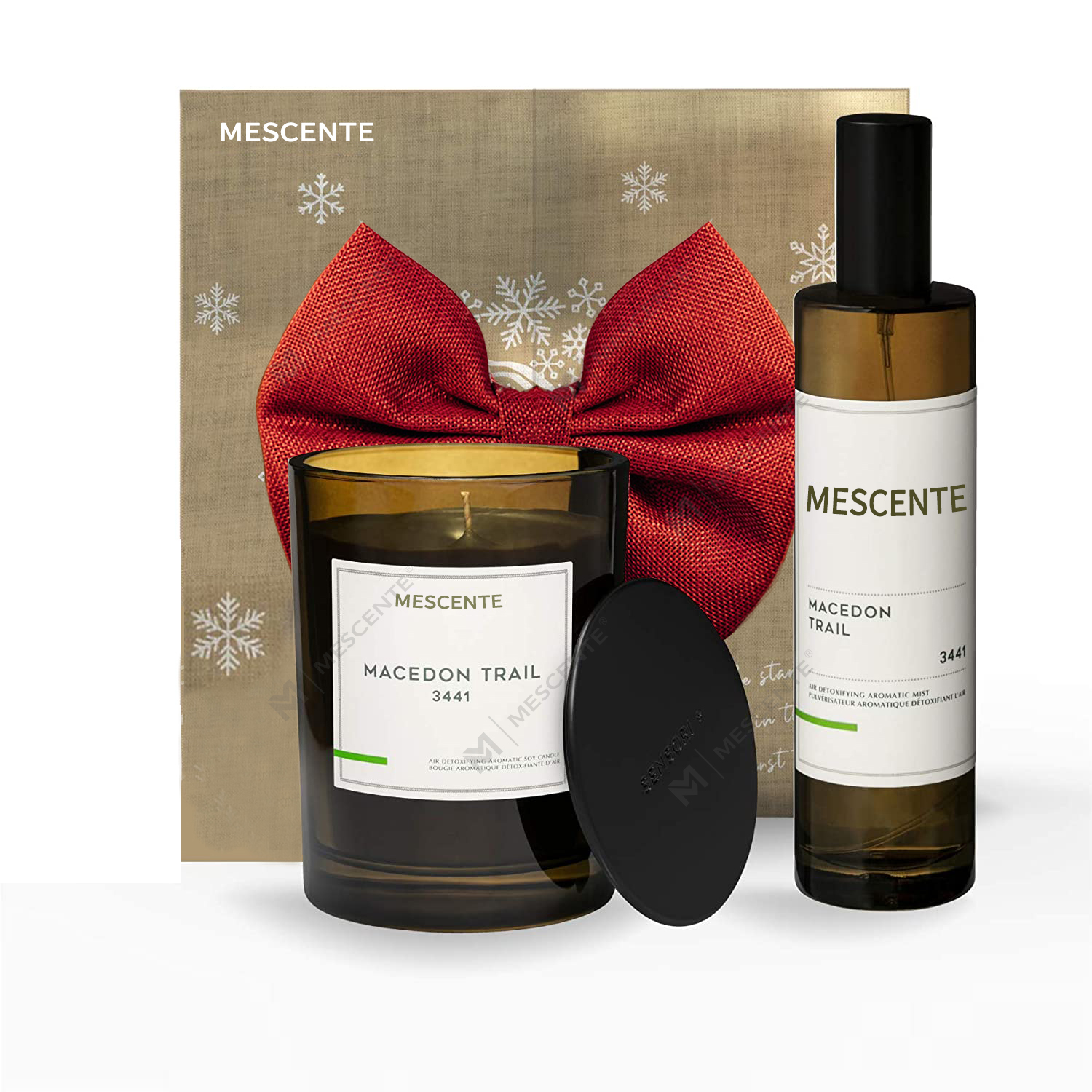
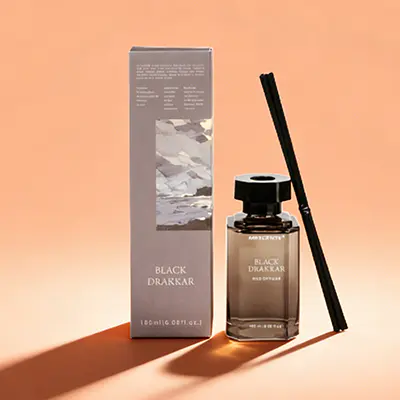
.jpg "M&Scent Black Bottle Perfume Aroma Reed Diffuser Oil, Fragrance Thailand Reed Diffusers Gift Set")
.jpg "Mini White Bottle Flower Perfume Aroma Reed Diffuser Oil, Fragrance Thailand Reed Diffuser Gift Set")
.jpg "White Flower Mini Perfume Aroma Reed Diffuser Oil, fragrance Thailand Reed Diffusers Gift Set")
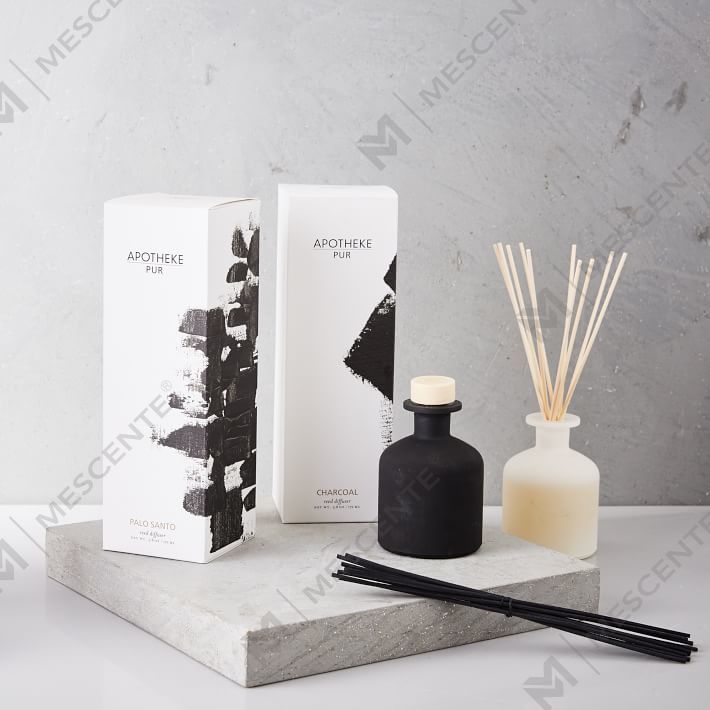
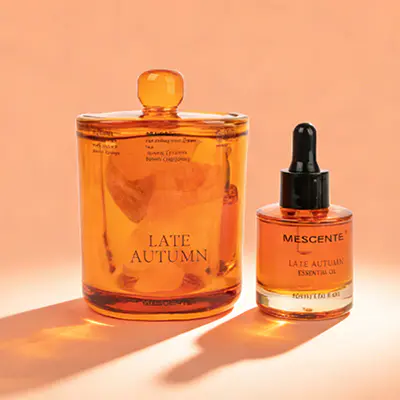
.jpg "150ml Home Fragrance Reed Diffuser Gift Set With Scented Candle A99189")