


Do Luxury Home Diffusers Actually Work?
Yes — a well-made luxury home diffuser works continuously and effectively to scent a room, influence mood, and elevate the sensory experience of a living space. The key word is well-made: the performance gap between a premium diffuser and a cheap alternative is substantial, measured in diffusion radius, scent longevity, and fragrance accuracy.
A quality reed diffuser using a high-concentration fragrance oil (typically 15–25% fragrance load in a carrier such as isopropyl myristate or dipropylene glycol) will actively scent a 20–40 square metre room for 8–16 weeks from a single 200 ml bottle. An ultrasonic or nebulising diffuser works by different physics but achieves comparable or stronger room coverage. The mechanism is proven — the question is always which type suits your space, routine, and aesthetic.
Types of Luxury Home Diffusers and How Each Works
Understanding how each diffuser type works helps you choose the right one and get maximum performance from it.
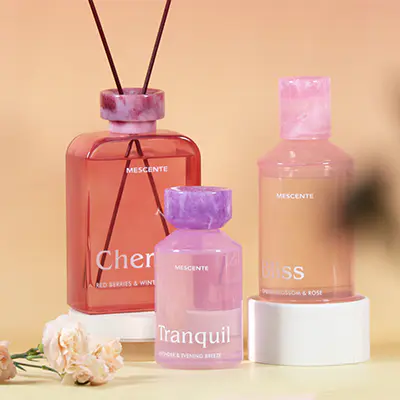
Reed Diffusers
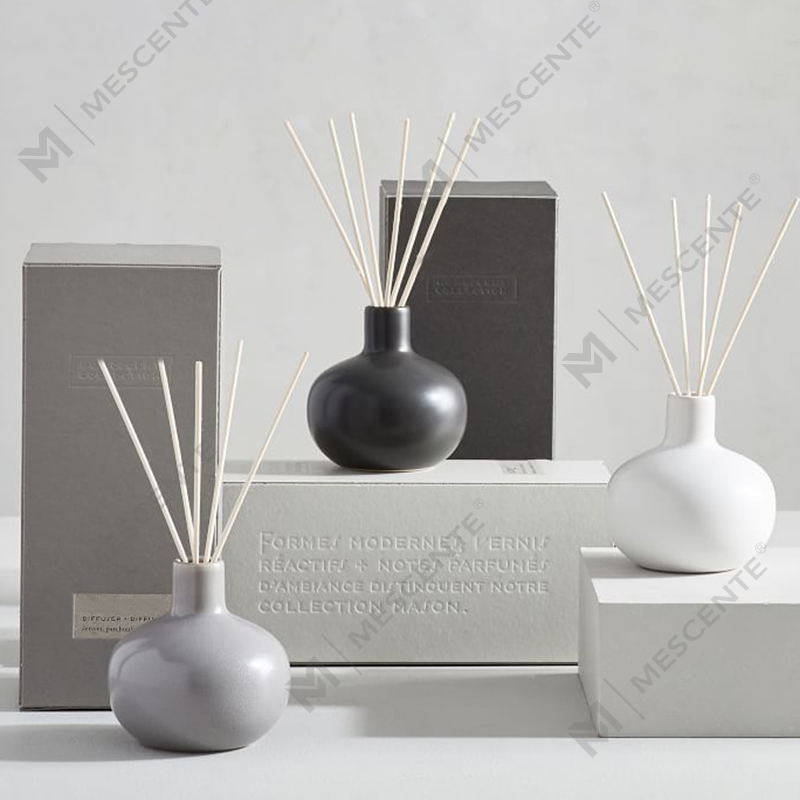
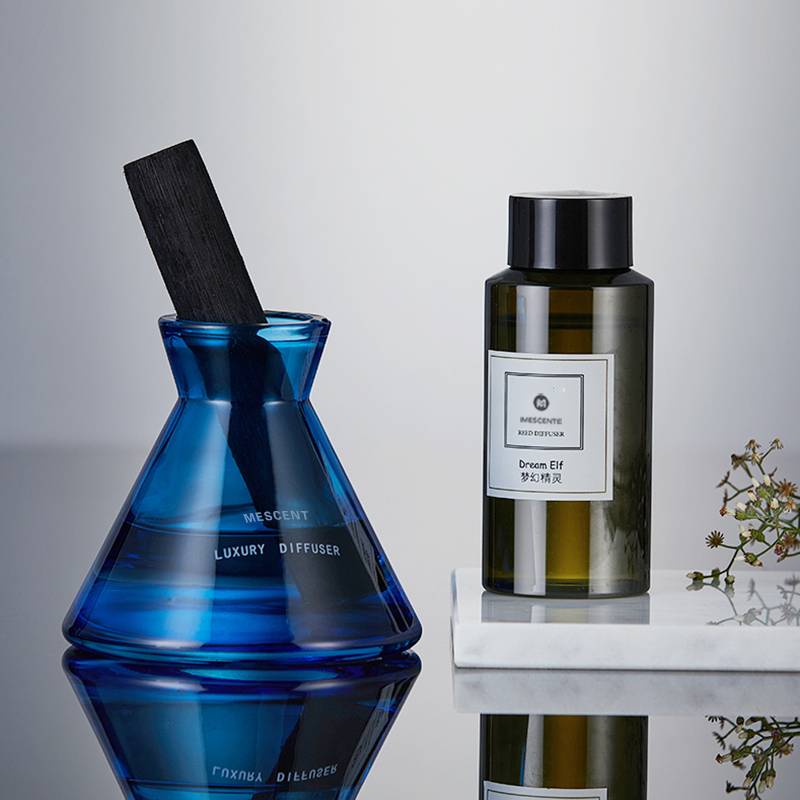
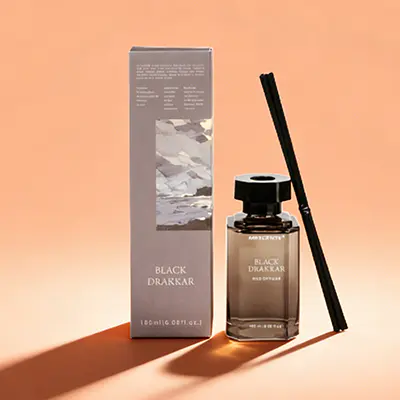
Rattan or fibre reeds are inserted into a vessel of scented oil. The reeds draw oil upward by capillary action and release the fragrance passively into the surrounding air. No power source is needed. Diffusion rate is controlled by the number of reeds, the carrier oil viscosity, and ambient temperature. A room at 22 °C will diffuse fragrance roughly 20–30% faster than the same room at 18 °C. Flipping the reeds weekly accelerates diffusion by refreshing the saturated top portion of the stick.
Ultrasonic Diffusers
A ceramic disc vibrates at ultrasonic frequency (approximately 1–2.4 MHz) to break a water-and-essential-oil mixture into a fine cool mist. The mist carries fragrance molecules into the air. Ultrasonic diffusers also add light humidity — useful in dry climates — and typically cover 20–50 square metres depending on output setting. Most premium models run 3–8 hours on a single fill and include programmable timers.
Nebulising Diffusers
Nebulisers use pressurised air to atomise pure essential oil directly — no water, no heat. The output is a concentrated dry mist of undiluted fragrance particles, which means scent intensity is significantly higher than ultrasonic models. A nebuliser can saturate a 60–80 square metre open-plan space within minutes. The trade-off is higher oil consumption (roughly 1–3 ml per hour at moderate settings) and a higher purchase price for quality units.
Candle and Heat Diffusers
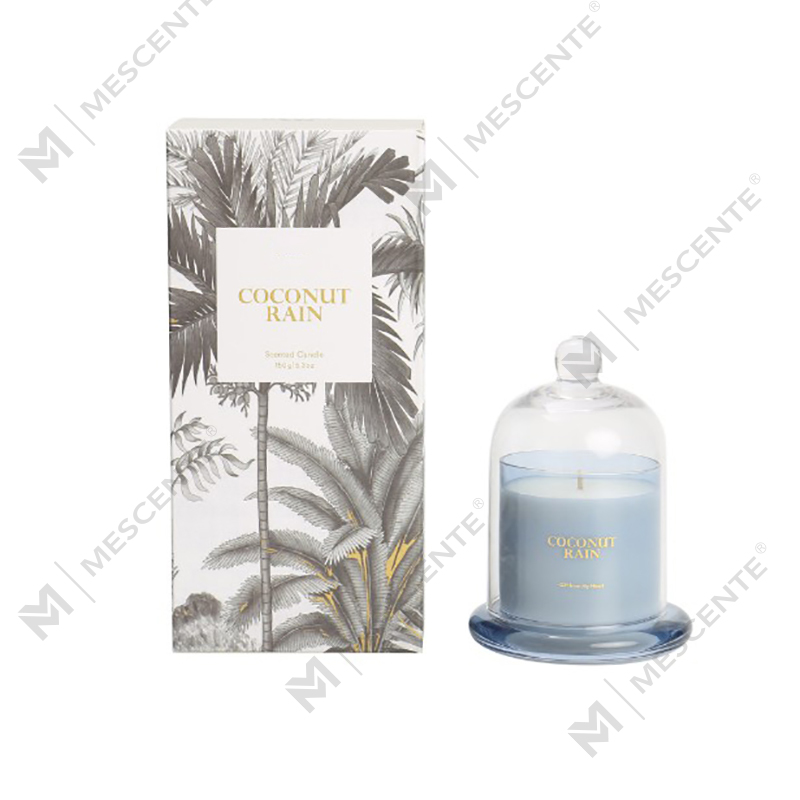
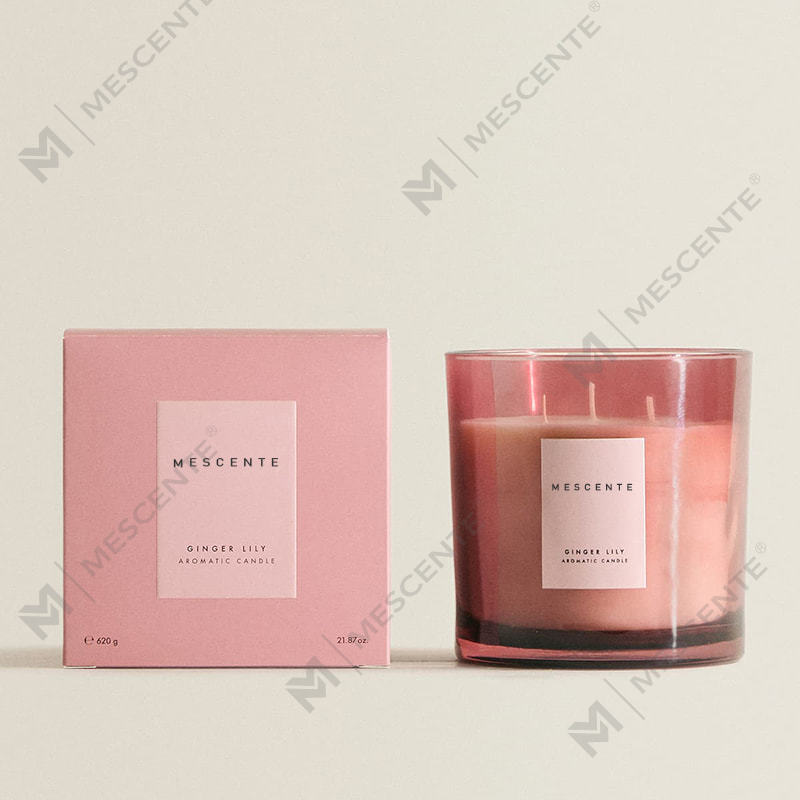
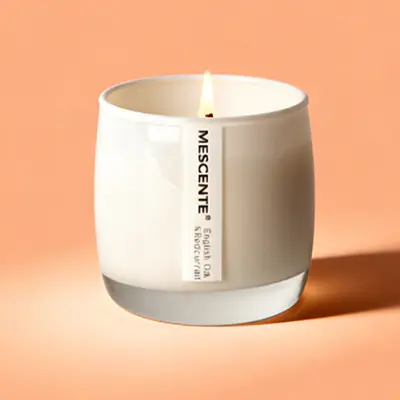
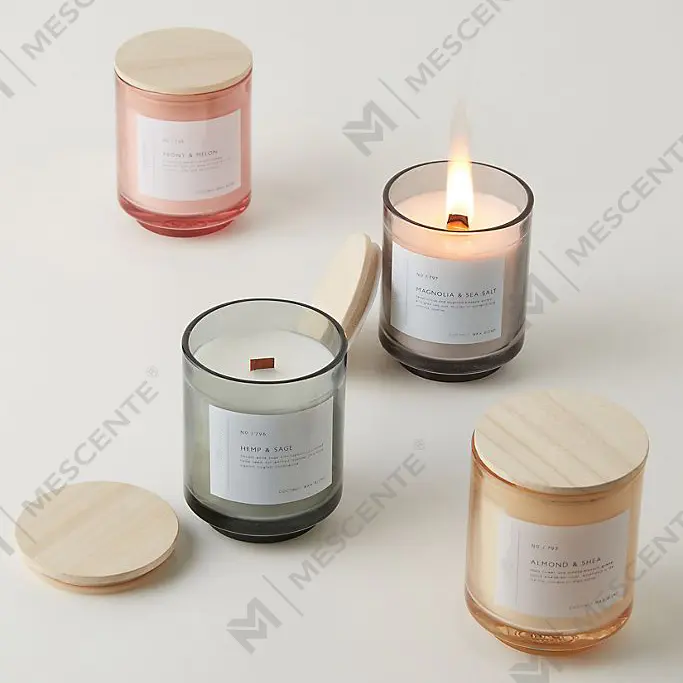
Wax melts, oil burners, and scented candles use heat to volatilise fragrance. They are effective but require attention — an open flame is never passive. Premium scented candles with a fragrance load above 8–10% of wax weight produce genuine room-filling scent in spaces up to 30 square metres. Below 6% fragrance load, a candle is primarily decorative.
| Diffuser Type | Coverage | Power Required | Scent Intensity | Maintenance |
|---|---|---|---|---|
| Reed diffuser | 20 – 40 sqm | None | Subtle to moderate | Flip reeds weekly |
| Ultrasonic | 20 – 50 sqm | Yes (USB / mains) | Moderate | Clean weekly, refill daily |
| Nebulising | 40 – 80 sqm | Yes (mains) | Strong to intense | Clean monthly, refill as needed |
| Candle / heat | 15 – 30 sqm | None (flame) | Moderate to strong | Trim wick; attended use only |
Are Diffusers Good for Your Home?
For the vast majority of households, yes — diffusers are beneficial or neutral in their effect on the home environment. The nuances worth knowing:
Benefits Supported by Evidence
- Mood and stress response: Multiple peer-reviewed studies have found that ambient lavender fragrance reduces cortisol markers and self-reported anxiety. A 2019 study in Frontiers in Behavioral Neuroscience found that linalool (the primary compound in lavender) produced measurable anxiolytic effects via olfactory pathways in mice without sedation. Human studies using lavender inhalation show consistent reductions in anxiety scores on validated scales.
- Sleep environment: Diffusing lavender or Roman chamomile in a bedroom 30 minutes before sleep is associated with improved sleep quality scores in multiple small-scale trials. The scent does not replace sleep hygiene but reinforces a relaxation ritual.
- Air neutralisation: Reed diffusers with natural fragrance blends containing citrus terpenes (limonene, linalool) can partially neutralise airborne odour molecules rather than simply masking them.
- Psychological space association: Scent is the sense most directly connected to memory and emotion (via the olfactory bulb's proximity to the hippocampus and amygdala). A consistent signature home scent creates a strong, positive psychological association with your living space — a well-documented effect in hospitality design.
Considerations and Precautions
- Pets: Cats lack the liver enzyme (glucuronyl transferase) needed to metabolise many essential oil compounds, particularly phenols found in clove, cinnamon, and oregano oils, and terpenes in tea tree. Reed diffusers and passive diffusion in ventilated rooms are generally lower risk than nebulisers used in enclosed spaces with cats. Consult a veterinarian if you have concerns.
- Respiratory sensitivity: People with asthma or severe allergies should use diffusers in ventilated spaces and avoid high-intensity nebulisers for extended periods. Fragrance compounds at high airborne concentrations can act as irritants regardless of their natural origin.
- Surface contact: Reed diffuser oil spills will strip varnish, damage lacquered surfaces, and stain soft furnishings. Always use a protective coaster and position vessels away from furniture edges.
How to Program and Set Up a Luxury Scent Diffuser
For electronic diffusers, programming correctly makes the difference between background scent and an overwhelming or inconsistent fragrance experience. For passive reed diffusers, "programming" is about placement and adjustment rather than electronics.
Programming an Ultrasonic or Nebulising Diffuser
Most premium ultrasonic and nebulising diffusers include interval timers and output controls. The standard approach used by interior fragrance professionals:
- Interval mode over continuous mode: Run the diffuser on a 30-minutes-on / 30-minutes-off cycle rather than continuously. The olfactory system adapts to a constant scent within 15–20 minutes (olfactory fatigue), meaning continuous diffusion wastes oil without increasing perceived intensity. Interval mode maintains freshness.
- Output level by room size: For a 20 sqm room, start at 30–40% output on a nebuliser. For 40–60 sqm open plan spaces, 50–60% is typically sufficient. Only use maximum output for very large spaces or initial scenting of a cold, unscented room.
- Time-of-day programming: If your diffuser has a scheduler, programme it to begin 20–30 minutes before you enter a room. This allows the fragrance to build to a steady ambient level before you arrive, avoiding the initial concentrated burst that can feel overpowering.
- Seasonal adjustment: Diffuse 10–15% more in winter when homes are sealed and air circulation is lower. In summer with open windows, increase output or reduce interval gaps to compensate for faster dispersal.
Optimising Reed Diffuser Placement
- Height matters: Place reed diffusers at 80–120 cm height — approximately shelf or sideboard level. Fragrance molecules are heavier than air and diffuse downward and outward from the release point. Floor-level placement reduces effective radius significantly.
- Near airflow, not in airflow: Position near a doorway or in a room with gentle air movement to aid dispersal, but not directly in front of an air conditioning vent or fan. Direct airflow desiccates the reeds and exhausts the oil too rapidly.
- One diffuser per zone: For open-plan living spaces over 50 sqm, use two smaller diffusers placed at opposite ends rather than one large vessel in the centre. This creates a more even scent distribution with no dead zones.
- Reed count tuning: A standard 200 ml diffuser comes with 8–10 reeds. Using all reeds maximises diffusion speed and intensity but shortens lifespan. Using 4–5 reeds extends the product life by 30–40% while maintaining a gentle ambient scent — ideal for bedrooms.
Matching Scent to Room Function
| Room | Recommended Scent Families | Notes |
|---|---|---|
| Entrance / hallway | Citrus, green, light floral | First impression; uplifting and welcoming |
| Living room | Woody, amber, warm spice | Signature home scent; moderate intensity |
| Bedroom | Lavender, chamomile, sandalwood | Low intensity; sleep-supportive |
| Home office | Peppermint, eucalyptus, rosemary | Focus and alertness; avoid heavy musks |
| Bathroom | Aquatic, clean musk, eucalyptus | Compact space — use 4 reeds maximum |
| Dining room | Subtle citrus, herb, soft wood | Avoid heavy floral; should not compete with food |
What Makes a Diffuser Genuinely Luxury
The luxury segment is defined by four measurable factors — not simply price or packaging:
- Fragrance concentration: Premium reed diffusers carry 18–25% fragrance oil in carrier. Budget products typically run 5–10%. The higher the concentration, the more complex and persistent the scent throw. Check the product specification or ask the supplier directly.
- Fragrance composition: Luxury scents are composed by trained perfumers using a structured top-heart-base note pyramid. Top notes (citrus, light florals) provide the first impression and last 30–60 minutes. Heart notes (florals, spice, herbs) define the character and last 2–4 hours. Base notes (sandalwood, amber, musk, vetiver) anchor the scent and linger for hours after the other layers have faded. Single-note or poorly structured blends flatten quickly.
- Vessel and material quality: A genuine luxury diffuser uses hand-blown glass, ceramic, or carved stone — materials that do not interact chemically with fragrance oils and maintain the integrity of the blend. Cheap plastic vessels can leach compounds into the oil and alter the scent profile within weeks.
- Reed material: Rattan reeds from certified sustainable sources diffuse more consistently than synthetic fibre alternatives. Some premium brands use porous ceramic sticks or custom-cut wood, each with distinct diffusion characteristics suited to specific oil viscosities.
Summary
Luxury home diffusers work — and work well — when chosen, placed, and maintained correctly. Reed diffusers deliver passive, continuous scent with zero maintenance beyond a weekly reed flip and are the most elegant solution for consistent ambient fragrance. Electronic nebulisers and ultrasonic units offer programmable, adjustable output for larger spaces. The health and mood benefits of ambient scenting are well-supported for stress reduction and sleep quality, with straightforward precautions for homes with pets or respiratory sensitivities. Whether you opt for a passive reed vessel or a programmable electronic unit, the investment in a genuinely high-quality diffuser — with a properly formulated fragrance at premium concentration — delivers a sensory return that budget alternatives simply cannot replicate.