


Home / Blog / Industry News / Where Can I Find Beautiful Scented Candles That Are Non-Toxic and Eco-Friendly for My Home?
Where Can I Find Beautiful Scented Candles That Are Non-Toxic and Eco-Friendly for My Home?
Content
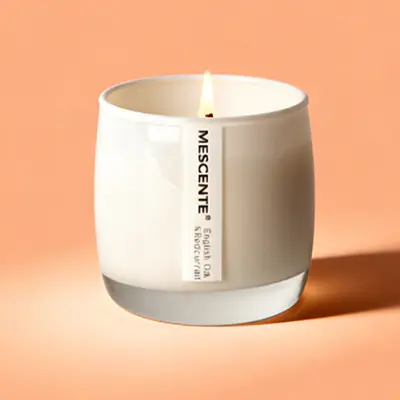
In the pursuit of an elevated living environment, the olfactory experience is just as vital as the visual aesthetic. However, for the discerning homeowner, the search for beautiful scented candles often extends beyond the exterior design to the chemical composition of the wax and fragrance. Many mass-produced options utilize paraffin wax, a petroleum byproduct that may release volatile organic compounds (VOCs) when burned. M&SCENT, a professional manufacturer located in Suzhou, Jiangsu, operates on the core values of integrity, health, and environmental protection. We specialize in engineering beautiful scented candles that bridge the gap between high-end design and ecological responsibility. By focusing on clean-burning substrates and botanical fragrance oils, we ensure that your home remains a sanctuary of health and positive beauty.
The foundation of a non-toxic eco-friendly candle is the wax itself. When comparing soy wax vs paraffin for home health, soy wax stands out due to its lower melting point, which results in a cooler, slower burn and increased scent throw duration. Soy is a renewable resource, whereas paraffin is derived from non-renewable oil. Furthermore, beeswax candles for air purification offer a unique advantage: they release negative ions when burned, which can help neutralize pollutants in the air. For those seeking beautiful scented candles with a luxury finish, natural soy wax candles with essential oils provide a cleaner soot-profile, preventing the dark residue often found on walls and ceilings after using synthetic alternatives.
| Criteria | Paraffin (Traditional) | Eco-Friendly Scented Candles (Soy/Beeswax) |
| Source | Petroleum (Non-renewable) | Botanical/Animal (Renewable) |
| Soot Production | High (Black soot) | Minimal (White soot/Transparent) |
| Biodegradability | No | Yes |
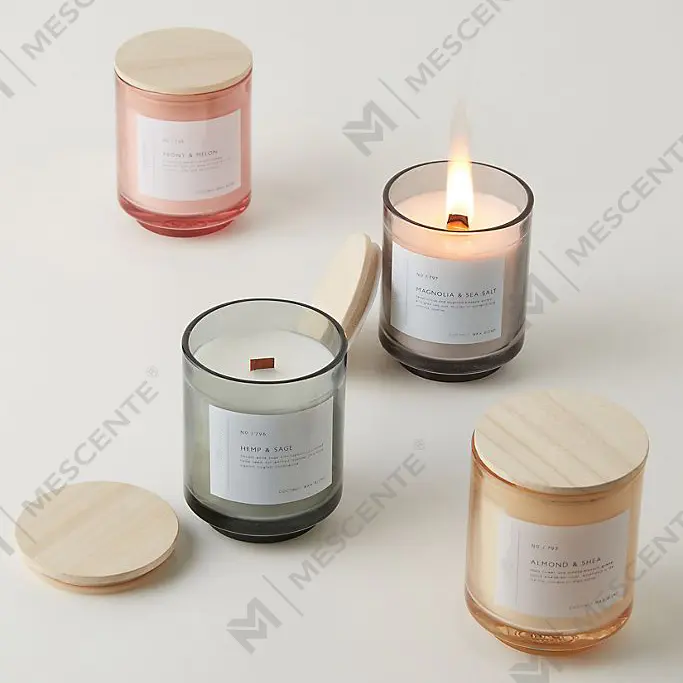
A beautiful container is only as good as the flame it supports. The technical difference in long-lasting scented candles for large rooms often lies in the wick technology. High-quality manufacturers avoid lead-core wicks, opting instead for cotton wick scented candles for clean burning or sustainably sourced wooden wicks. When evaluating wood wick vs cotton wick for eco-friendliness, both offer distinct benefits: cotton provides a stable, traditional flame, while wood wicks offer a rhythmic crackle and a wider heat pool. Additionally, safe scented candles for pets and kids must be formulated without phthalates or parabens. At M&SCENT, we implement multi-level quality control in our supply chain to ensure that every luxury scented candle gift set we produce meets the "zero defect" philosophy, offering top-notch quality at a competitive price.
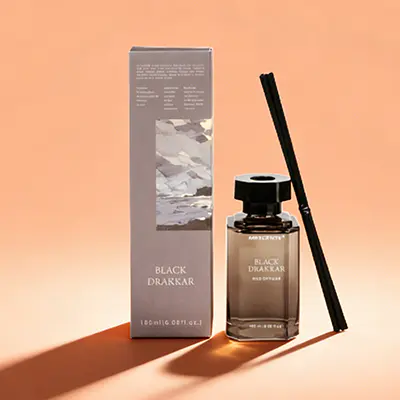
Finding beautiful scented candles that are eco-friendly also involves looking at the packaging and sourcing. Sustainable home fragrance products should utilize recyclable or biodegradable materials to reduce waste generation. For those choosing candles for stress relief and anxiety, the visual harmony of the vessel is just as important as the therapeutic properties of the scent. M&SCENT's OEM and ODM services allow reputable retailers to design products that are distinctively theirs, ensuring that the "apple to apple" comparison always favors the greener choice. Whether you are looking for hand-poured scented candles for home decor or professional-grade reed diffusers, the focus remains on creating a better environment from both the container and the taste.
| Sustainability Factor | Standard Retail Brand | M&SCENT Standard |
| Fragrance Type | Synthetic/Phthalate-heavy | IFRA-compliant / Botanical-based |
| Packaging | Plastic-intensive | Green/Recyclable focus |
| Production Location | Mass Factory | Professional Eco-conscious Facility |
To find beautiful scented candles that are truly non-toxic and eco-friendly, consumers must look for transparency in wax sourcing, wick materials, and fragrance purity. By prioritizing natural soy wax candles with essential oils and supporting manufacturers that value environmental protection, you can enjoy a luxurious atmosphere without compromising your health. M&SCENT is dedicated to providing first-class products that create a bright future for our customers and the planet. Let our craftsmanship bring the beauty of nature into your home responsibly.
The cost reflects the top-notch quality of raw materials. Natural waxes and pure essential oils are more expensive to source than petroleum byproducts and synthetic dyes, but they offer a safer, longer-lasting experience.
Check for manufacturers who explicitly state compliance with IFRA (International Fragrance Association) standards. Reputable companies like M&SCENT prioritize "quality first" and test every batch for chemical purity.
It depends on the desired effect. Wood wicks create a larger melt pool which can help with the scent throw of non-toxic candles in large rooms, whereas cotton wicks are generally easier to maintain and relight.
Not necessarily. While they avoid "harsh" synthetic boosters, a high-quality natural soy wax candle can hold a significant amount of fragrance oil, providing a deep and lasting aroma that is safe for sensitive respiratory systems.
Always trim the wick to about 1/4 inch before lighting. On the first burn, let the wax melt all the way to the edge of the container to prevent "tunneling," which ensures you get the full value of your long-lasting scented candles.
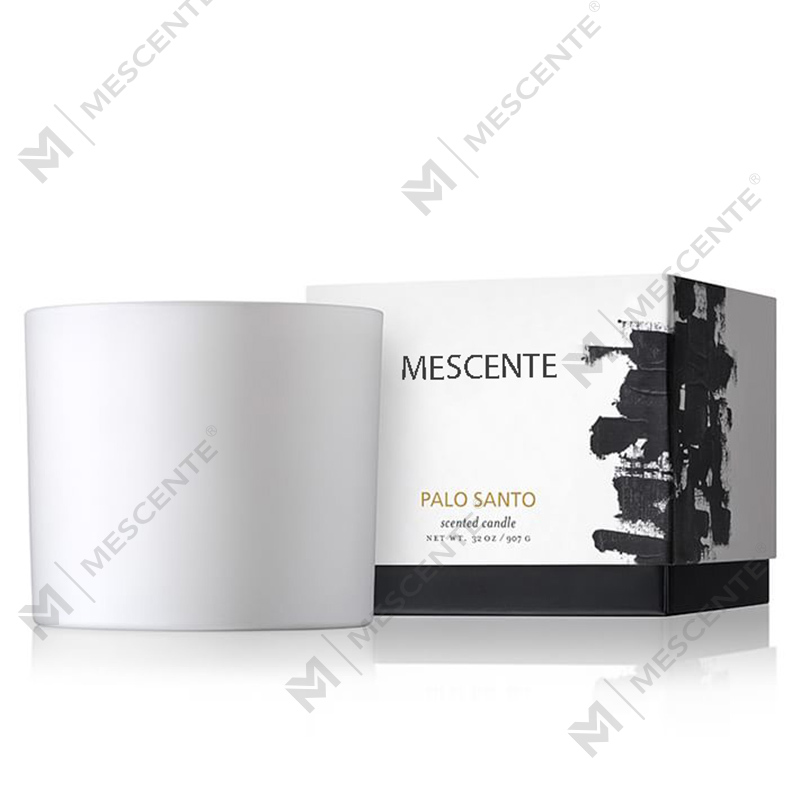
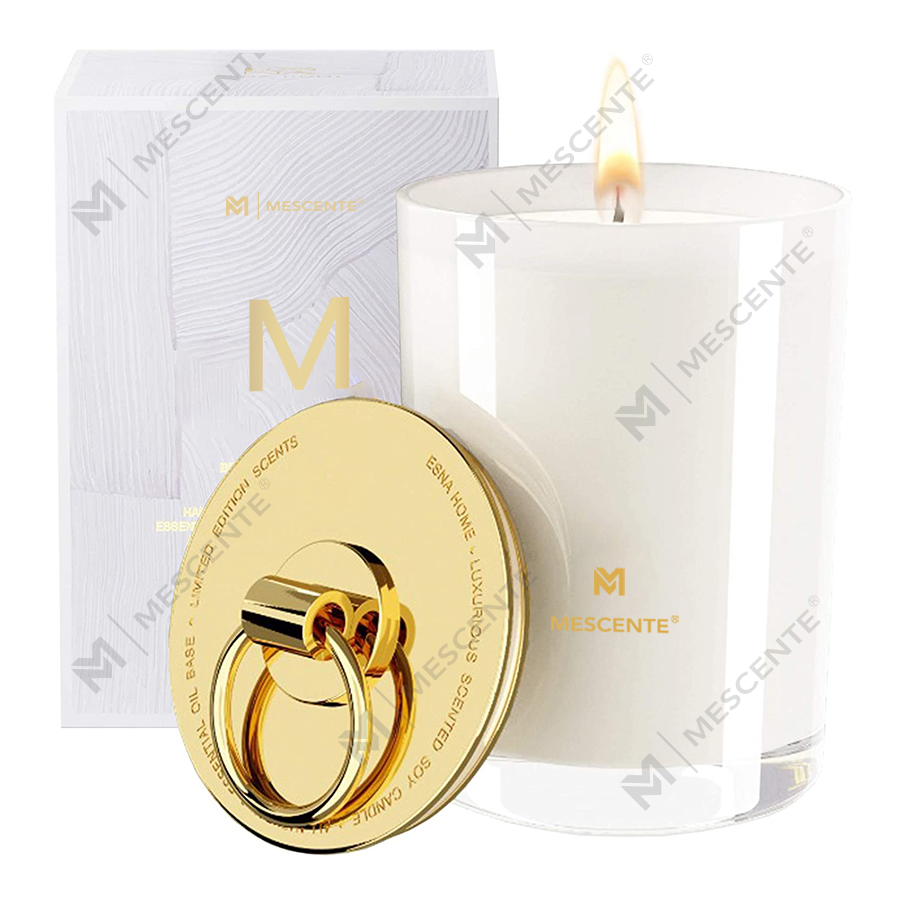
-1.jpg "140g Home Scented Candle Fragrance Reed Diffuser Gift Set A99199")
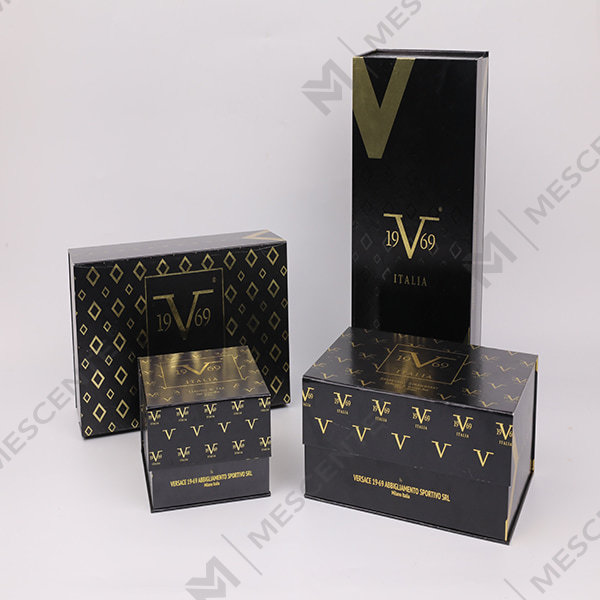
.jpg "150ml Home Fragrance Reed Diffuser Gift Set With Scented Candle A99189")

Address:
Building 10, No. 39, Muxu East Road, Mudu Town, Wuzhong District, Suzhou City, Jiangsu Province, China
Company
Products
Mobile
