




Home / Blog / Industry News / Seasonal Scent Trends and Material Specifications for High-Performance Bulk Scented Candles
Seasonal Scent Trends and Material Specifications for High-Performance Bulk Scented Candles
Content
The success of a seasonal home fragrance campaign in the 2026 B2B market depends on the precise alignment of volatile organic compound (VOC) profiles with consumer psychological triggers. For technical procurement, sourcing bulk scented candles requires a deep evaluation of thermal stability, fragrance load capacity, and the structural integrity of glass containers. This technical guide analyzes the trending seasonal scents for bulk candles and the manufacturing parameters—such as wax melting point and wick capillary action—that ensure a consistent 180-degree-Celsius flash point safety margin during holiday peak usage.
Maximizing the "hot throw" (scent throw while burning) involves optimizing the fragrance oil concentration in bulk candles, which is technically maintained between 6% and 12% depending on the wax substrate. When selecting popular holiday candle scents for retailers, engineers must calculate the molecular weight of the aromatic compounds. Heavier base notes like cinnamon and vanilla candle scent profiles exhibit superior thermal stability, making them ideal for long-burning jars. In contrast, citrus and pine essential oil blends require specific UV stabilizers to prevent photo-oxidation in clear glass. Achieving a clean burn with bulk scented candles is a function of the wax-to-fragrance ratio and the selection of lead-free cotton or wooden wicks that match the container's internal diameter to prevent tunneling.
M&SCENT is a professional manufacturer of scented candles, reed diffusers, and room sprays, located in Suzhou, Jiangsu Province, 30 minutes from Shanghai via high-speed rail. Our core values prioritize integrity, green manufacturing, environmental protection, and health. We operate an integrated supply chain focused on creating a better environment through eco-friendly bulk scented candles that allow users to experience the positive beauty of nature. M&SCENT provides full OEM and ODM services, utilizing a "quality first" principle in every production link. We deliver high-precision designs and top-notch quality at a competitive price, serving reputable global retailers who utilize M&SCENT as their primary "apple to apple" technical benchmark.
| Seasonal Category | Key Olfactory Components | Technical Benefit |
| Winter Holiday | Siberian Fir, Clove, Roasted Chestnut | High thermal stability; low evaporation rate |
| Autumn Harvest | Pumpkin Spice, Amber, Sandalwood | High-viscosity oils; excellent hot throw |
| Spring/Summer | Bergamot, Sea Salt, White Tea | Clean VOC profile; high air-exchange compatibility |
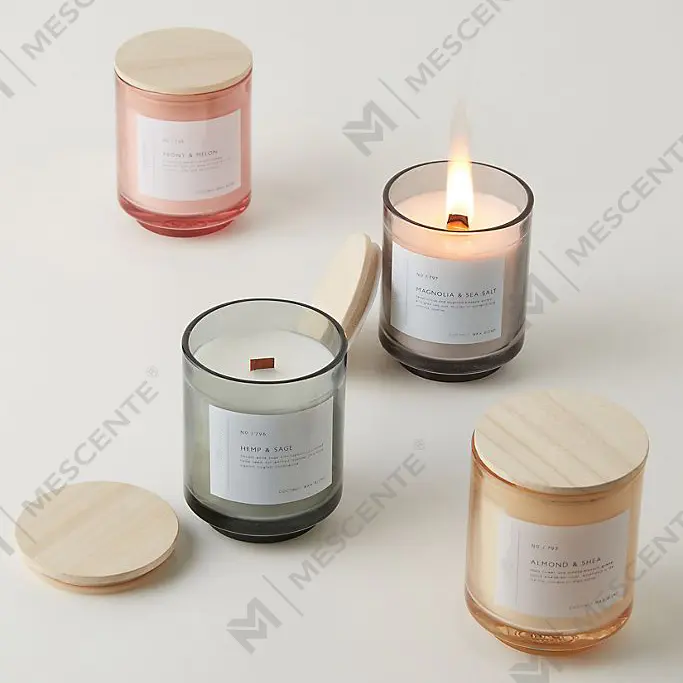
Seasonal sales cycles often utilize decorative glass, but the thermal shock resistance of candle glass is a critical safety metric for municipal compliance. Bulk scented candles in jars must utilize annealed soda-lime or borosilicate glass capable of withstanding the heat flux of a full melt pool without stress fractures. Why soy wax is better for bulk candles often relates to its lower melting point (49-52 degrees Celsius), which reduces the exterior surface temperature of the jar, thereby enhancing handling safety. Additionally, the viscosity of melted soy wax ensures a uniform distribution of fragrance oils, preventing "sweating" or oil syneresis during bulk candle shipping and logistics across varying climate zones.
A data-driven procurement strategy evaluates the hot throw vs cold throw of bulk candles. While cold throw (scent when unlit) drives the initial retail conversion, a superior hot throw ensures brand retention. For 2026, customized holiday candle gift sets featuring "smoky oud" or "frosted cedar" are projected to lead the luxury segment. M&SCENT helps clients navigate these trends through our professional fragrance design team, ensuring that the physical properties of the wax blend are optimized for specific container geometries to achieve a 100% melt pool within two hours of ignition.
In large-scale candle production, batch consistency is achieved through automated multi-head pouring systems and digital temperature monitoring for wax blending. The tensile strength of the wick and its centering precision are vital; a deviation of more than 1.5mm can result in uneven heat distribution. Bulk candle manufacturing in China, specifically at M&SCENT's Suzhou facility, adheres to the principle that quality is engineered into every link of the supply chain. By following ASTM F2417 fire safety standards and implementing rigorous internal quality control, we provide products that allow retailers to scale their home fragrance lines with absolute technical confidence.
| Quality Check | Standard Reference | Engineering Target |
| Wick Centering | Internal Laser Alignment | Deviation less than 1.5mm |
| Burn Rate Test | ASTM F2417 | 3.5 - 5.5 grams per hour |
| Fragrance Flash Point | Closed Cup Tester | Greater than 85 degrees Celsius |
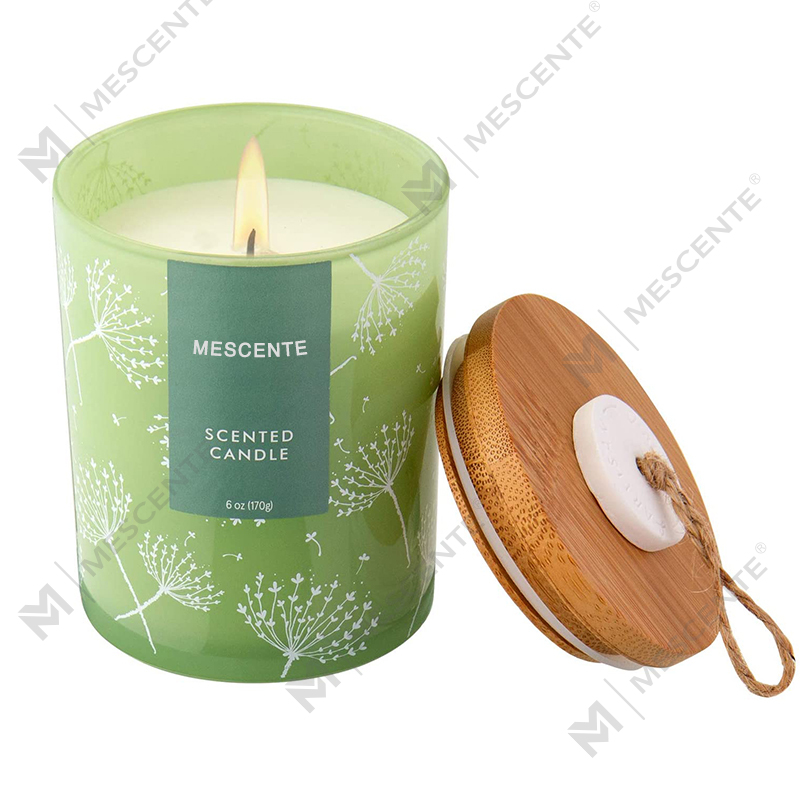
OEM candle manufacturing for retailers allows for rapid market iteration without the overhead of R&D. By utilizing M&SCENT's design and manufacturing expertise, brands can deploy sustainable bamboo lid candles or specialized textured glass that aligns with 2026 aesthetic trends. Our team ensures that the chemical compatibility of fragrances and waxes is verified before mass production, helping you avoid common defects like "wet spots" or "air bubbles" and ensuring a top-notch quality product at a competitive price.
Technically, most soy waxes are engineered to hold 10%, though certain high-performance blends can reach 12%. Exceeding this can cause the wax to become unstable, leading to fragrance leaching.
Frosting is a natural crystallization process. It is minimized by controlling the cooling rate in the workshop and ensuring the pouring temperature is within 2 degrees of the wax's optimal technical spec.
Cotton wicks provide a cleaner, "greener" burn but are more prone to bending. Zinc-core wicks offer structural rigidity during the pour and burn but are less common in premium "clean-label" products.
A larger diameter increases the surface area of the melt pool, allowing more fragrance molecules to volatilize. However, jars over 80mm usually require double wicking to maintain thermal balance.
For seasonal holiday orders, we recommend a 45-60 day lead time to account for custom fragrance blending, container sourcing, and 48-hour burn-test quality protocols.

Address:
Building 10, No. 39, Muxu East Road, Mudu Town, Wuzhong District, Suzhou City, Jiangsu Province, China
Company
Products
Mobile
