





Understanding the Causes of Black Smoke in Perfume Scented Candles
Wax Composition Effects
- Natural waxes such as soy wax scented candles tend to burn cleaner than paraffin wax due to fewer impurities.
- Paraffin wax may release soot when fragrance load is high.
Wick Size and Material Impact
- A thick or cotton-core wick may produce more black smoke if it draws excessive wax.
- Metal-core or properly sized wicks improve combustion.
Comparison of soy wax scented candles vs. Paraffin Wax in Smoke Production
| Property | Soy Wax Scented Candles | Paraffin Wax Candles |
|---|---|---|
| Smoke Production | Low – burns cleaner | High – may create black smoke if fragrance overloaded |
| Fragrance Retention | Moderate – may need higher scent load | High – strong scent throw but can increase soot |
| Environmental Impact | Biodegradable, eco-friendly | Petroleum-based, higher carbon footprint |
Fragrance Oil Load Influence
- Excess fragrance oils can overwhelm wax combustion, leading to black smoke.
- Optimal fragrance ratio prevents soot while maintaining scent throw.
Wick and Candle Maintenance Tips
Candle wick maintenance Methods to Reduce Soot
- Trim wick to 0.25-0.5 inch before every burn.
- Remove debris or mushrooming wick tips.
Trimming and Cleaning Practices
- Regular trimming promotes even burn and reduces black smoke.
- Keep candle surface clean from dust and wax particles.
Optimizing Candle Burn Environment
Draft-Free Zones and Stable Placement
- Avoid areas with airflow from fans or air conditioning.
- Use flat, heat-resistant surfaces for stability.
Temperature and Airflow Considerations
- High humidity or fluctuating temperatures can affect wick performance.
- Consistent room temperature ensures cleaner combustion.
Enhancing Scent Throw Without Black Smoke
Using essential oil scented candles and aromatherapy candle tips
- Essential oils provide a strong aroma with minimal soot.
- Combine proper wick size and scent load for optimal scent diffusion.
Long burning fragrance candles Optimization Techniques
- Use multiple thin wicks for large candles to reduce smoke.
- Ensure wax type matches fragrance concentration to maintain longevity and cleanliness.
Conclusion and Best Practices for Black Smoke-Free Candle Experience
- Choose natural waxes like soy wax scented candles.
- Maintain proper wick length and clean burn environment.
- Monitor fragrance oil concentration to avoid excessive soot.
- Use essential oils and follow aromatherapy candle tips for optimal scent throw.
- Regular trimming and correct placement enhance safety and performance.
FAQ
1. Why does my Perfume Scented Candle produce black smoke?
Black smoke is typically caused by excessive fragrance oil, an oversized wick, or combustion of paraffin wax impurities. Choosing natural wax and maintaining wick length reduces soot.
2. How often should I trim my wick for a clean burn?
Trim the wick to 0.25-0.5 inch before every burn. This prevents mushrooming and excessive soot, enhancing both safety and scent throw.
3. Can essential oil scented candles produce black smoke?
Minimal soot occurs with essential oils if properly blended. Overloaded oils or incorrect wick size may still produce smoke.
4. Does candle placement affect black smoke?
Yes, drafts, airflow, and temperature fluctuations can cause uneven burning, leading to black smoke. Use stable, draft-free surfaces.
5. How to balance scent throw and clean combustion?
Use long burning fragrance candles with correct wick sizing, moderate fragrance load, and natural waxes. Essential oils combined with proper wick maintenance offer the best balance.
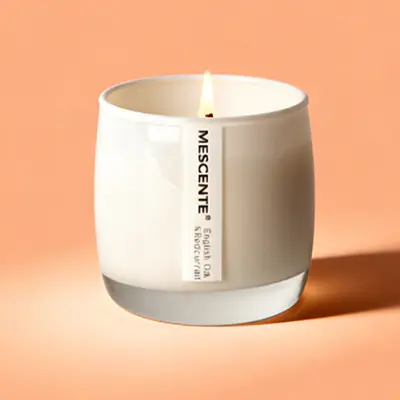
-1.jpg "M&Scent Wholesale Luxury Custom Decoration Private Label Black Glass Crystal Scented Soy Wax Candles")
.jpg "M&Scent Wholesale Luxury Custom Private Label Decoration Black Glass Crystal Scented Soy Wax Candles")
.jpg "M&Scent Custom Luxury 3 Wicks Candles Personalized Private Label Black Matte Glass Scented Candle")
.jpg "M&Scent Wholesale Luxury Custom Decoration Private Label Black Glass Crystal Scented Soy Wax Candles")
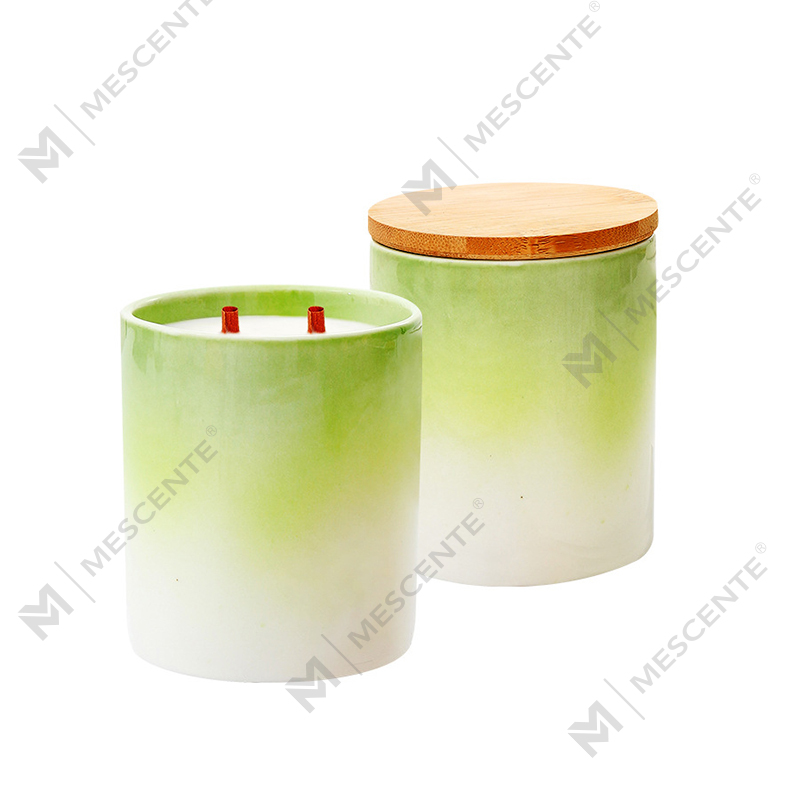
.jpg "Luxury High Quality Customised Private Label Colored Soy Wax Woodwick Scented Candles In Bulk")