


Content
- 1 1. The Lifespan of a Luxury Room Diffuser
- 2 2. Reed Material Engineering: Rattan vs. Fiber
- 3 3. Factors Affecting Scent Throw and Diffusion Efficiency
- 4 4. Professional Maintenance: Flipping Reeds and Dust Control
- 5 5. Frequently Asked Questions (FAQ)
- 5.1 1. Why can't I smell my luxury room diffuser anymore?
- 5.2 2. Can I reuse my reeds with a new fragrance refill?
- 5.3 3. How do I make reed diffuser scent stronger in a large hall?
- 5.4 4. Are high end reed diffusers with essential oils safer for pets?
- 5.5 5. How long does a reed diffuser last if I use it in the bathroom?
- 6 Industry References
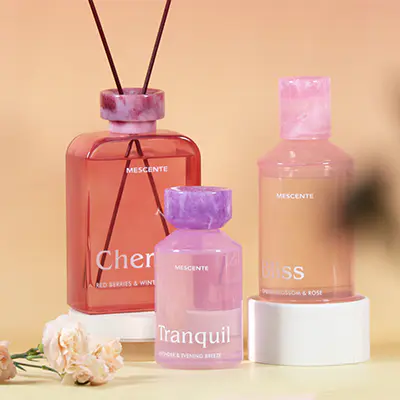
In the world of high-end home olfaction, a luxury room diffuser is more than a decorative accent; it is a sophisticated delivery system for complex aromatic compounds. For discerning users, the value of a premium fragrance is measured by its "scent throw" (the ability of the scent to fill a space) and its operational longevity. M&SCENT, a professional manufacturer based in Suzhou, Jiangsu, specializes in the engineering and design of luxury room diffuser systems, scented candles, and room sprays. Our core philosophy is built on "quality first," ensuring that every component—from the essential oil blend to the reed capillaries—is optimized for a superior sensory experience. Understanding the technical interplay between fluid dynamics and material science is essential for determining how long does a reed diffuser last in various environments.
1. The Lifespan of a Luxury Room Diffuser
On average, a 100ml luxury room diffuser should last between 3 to 4 months, while a 200ml vessel can extend up to 6 months. However, this is not a static figure. The evaporation rate is influenced by the "solvent-to-oil" ratio and environmental factors such as humidity, airflow, and temperature. A high end reed diffuser with essential oils typically uses non-toxic, eco-friendly solvents that evaporate more slowly than alcohol-based alternatives, providing a more stable scent profile over time. At M&SCENT, our green and healthy core values ensure that we use ingredients that prioritize both longevity and the well-being of the user.
Comparison: Standard vs. Premium Diffuser Longevity
While standard diffusers may offer a strong initial burst of fragrance due to high alcohol content, they often dissipate rapidly, whereas premium formulations maintain a consistent curve of evaporation.
| Feature | Standard Diffuser | Premium Luxury Room Diffuser |
| Evaporation Rate | Fast (High Volatility) | Controlled (Linear Release) |
| Fragrance Intensity | Strong but inconsistent | Consistent and nuanced |
| Typical Lifespan (100ml) | 4 - 6 Weeks | 12 - 16 Weeks |
2. Reed Material Engineering: Rattan vs. Fiber
The "wicking" mechanism of a diffuser depends entirely on the reeds. For a long lasting reed diffuser for large rooms, the choice between natural rattan and engineered fiber is critical. Rattan reeds contain small, natural channels (vessels) that pull the oil upward. However, these can become "clogged" by dust or heavier fragrance molecules over time. Conversely, engineered fiber reeds for diffusers are designed with a specific porosity to ensure a consistent scent throw from reed diffusers. M&SCENT provides OEM and ODM services to help brands select the exact reed density required for their specific fragrance viscosity.
Comparison: Rattan Reeds vs. Synthetic Fiber Reeds
Fiber reeds generally outperform rattan in modern formulations because their uniform pore structure prevents the "scent fatigue" often associated with natural materials.
| Material Metric | Natural Rattan Reeds | Engineered Fiber Reeds |
| Wicking Speed | Slow to Moderate | Fast and Consistent |
| Clogging Risk | High (Natural sap/vessels) | Low (Controlled synthetic pores) |
| Color Options | Natural wood tones | Highly customizable (No bleeding) |
3. Factors Affecting Scent Throw and Diffusion Efficiency
The best reed diffuser material for scent throw must be matched with the room's environmental conditions. In a large room, the "throw" is enhanced by placing the luxury room diffuser in a high-traffic area where air movement facilitates the distribution of molecules. However, placing it near a radiator or in direct sunlight will increase the evaporation rate, significantly reducing the lifespan. To make reed diffuser scent stronger, one might increase the number of reeds, but this acts as a double-edged sword: more reeds equal more surface area for evaporation, which shortens the 100ml or 200ml cycle.
4. Professional Maintenance: Flipping Reeds and Dust Control
To maintain a consistent scent throw from reed diffusers, the maintenance of the reeds is as important as the oil quality. For rattan, "flipping" the reeds once a week is a standard recommendation to refresh the saturated ends. For fiber reeds, this is often unnecessary due to their superior capillary action. However, dust accumulation remains the enemy of any luxury room diffuser. Dust particles settle on the exposed ends of the reeds, blocking the evaporation points. M&SCENT's top-notch quality control ensures that our reed sets are optimized to resist environmental degradation, helping you "touch the positive beauty of nature" for longer periods.
Key Strategies for Maximizing Diffuser Life:
- Strategic Placement: Keep away from heat sources and drafty windows.
- Reed Quantity: Start with 4-5 reeds and adjust based on room size and desired intensity.
- Vessel Neck Size: A narrower neck reduces direct oil-to-air evaporation, extending life.
- Dust Management: Replace reeds entirely if the scent begins to fade despite the bottle being full.
5. Frequently Asked Questions (FAQ)
1. Why can't I smell my luxury room diffuser anymore?
This is usually due to "olfactory fatigue" where your nose becomes accustomed to the scent, or "clogged" reeds. Try moving the diffuser to a different room or replacing the reeds with new fiber ones.
2. Can I reuse my reeds with a new fragrance refill?
No. Reeds become saturated with the specific molecular weight of the previous oil. To ensure a consistent scent throw from reed diffusers, always use fresh reeds with a new bottle or refill.
3. How do I make reed diffuser scent stronger in a large hall?
Use fiber reeds for diffusers as they have a higher wicking capacity. You should also use more reeds (up to 8-10) and ensure the diffuser is placed in a spot with natural air circulation.
4. Are high end reed diffusers with essential oils safer for pets?
At M&SCENT, we prioritize environmental protection and health. However, some essential oils can be sensitive for pets. Always check the specific oil profile for pet safety.
5. How long does a reed diffuser last if I use it in the bathroom?
Bathrooms often have high humidity, which can actually slow down the evaporation of the fragrance oil but may affect the wicking efficiency of natural rattan reeds.
Industry References
- Fragrance Material Association (FMA): Guidelines on Vapor Pressure and Evaporation Rates.
- IFRA (International Fragrance Association): Standards for Safe Aromatic Diffusion.
- Journal of Sensory Studies: "Capillary Action and Volatile Organic Compound (VOC) Release in Home Fragrance Systems."
- M&SCENT Technical Laboratory: Internal Quality Control Report on Fiber Reed Porosity (2025).
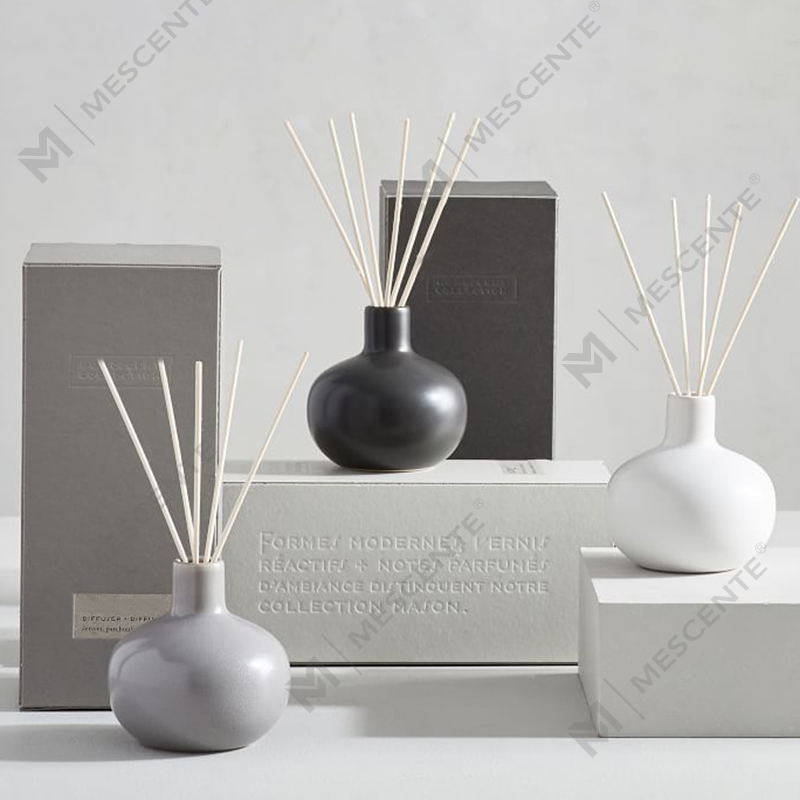
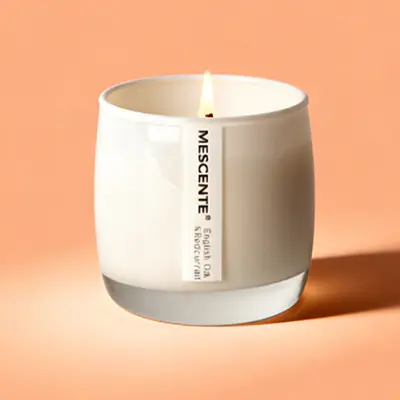
-1.jpg "140g Home Scented Candle Fragrance Reed Diffuser Gift Set A99199")
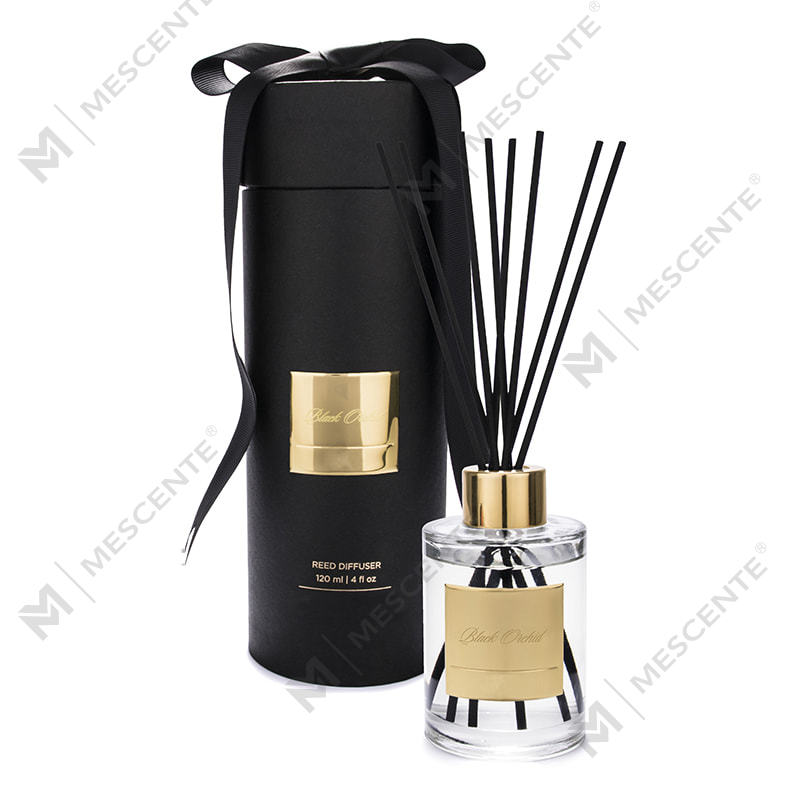
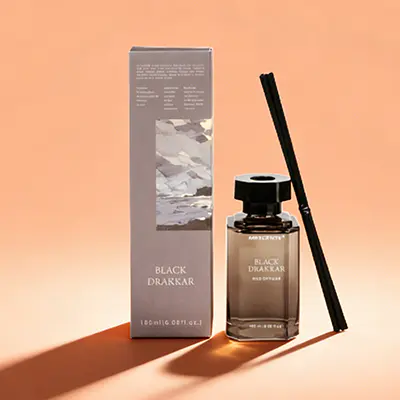
.jpg "150ml Home Fragrance Reed Diffuser Gift Set With Scented Candle A99189")