Optimizing Olfactory Response via Essential Oil Purity and Concentration
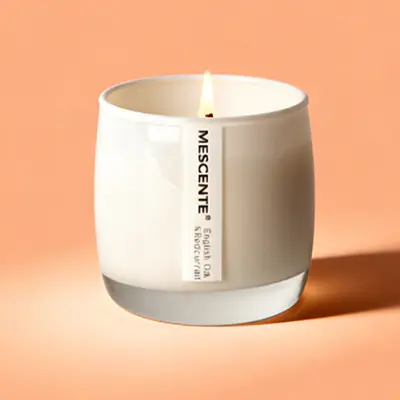
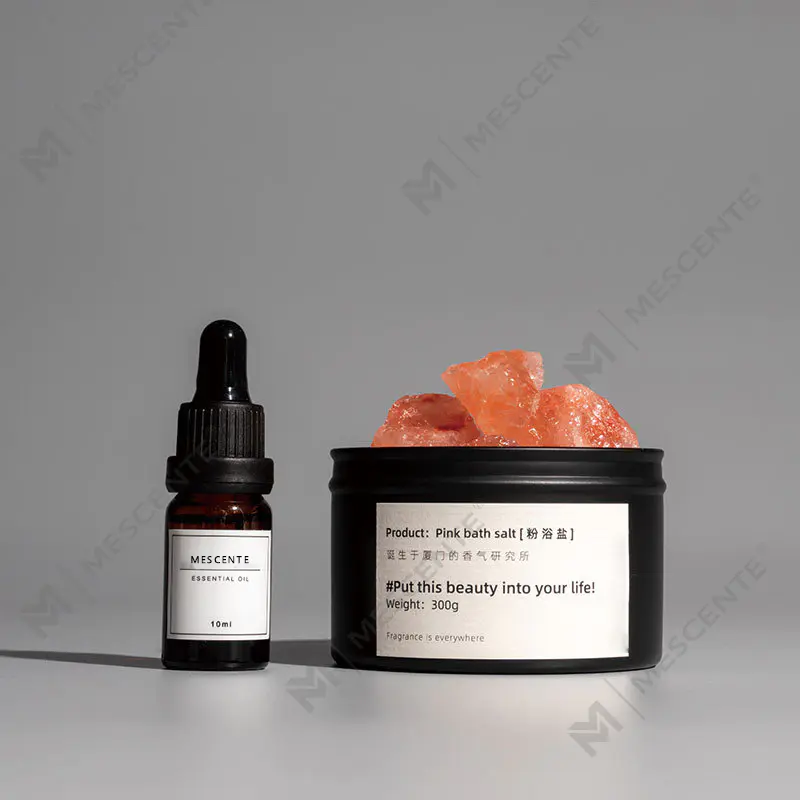
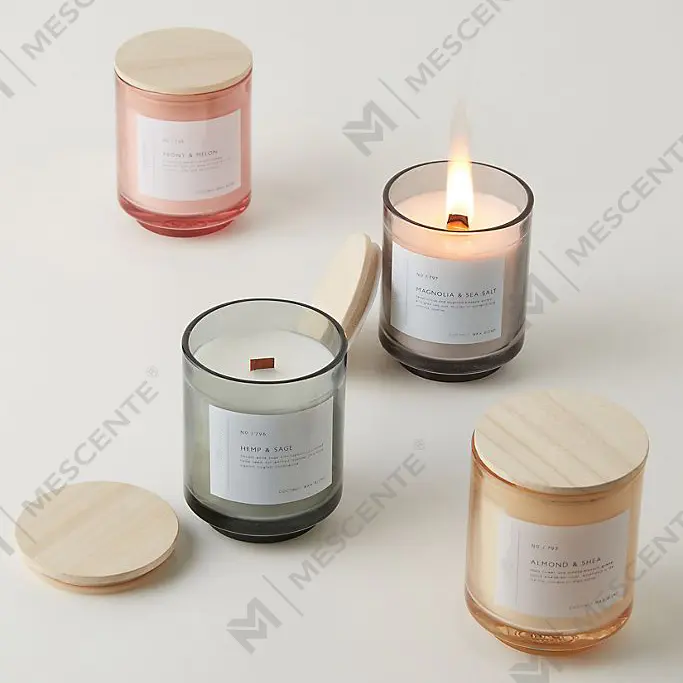
- Therapeutic-grade essential oils: The efficacy of beautiful scented candles in stress reduction is primarily governed by the purity of volatile organic compounds (VOCs).
- Limbic System Modulation: When inhaled, these molecules cross the blood-brain barrier to modulate GABAergic signaling, effectively reducing cortisol levels in the bloodstream.
- Fragrance Loading Techniques: M&SCENT, a professional manufacturer in Suzhou, utilizes precision loading to ensure consistent scent throw without compromising structural integrity.
Thermal Stability and Soy Wax vs Paraffin Combustion Dynamics
- Low Melting Point: Soy wax candle benefits include a melting point between 45°C and 52°C, which creates a larger melt pool at lower temperatures.
- Preservation of Aromatics: Lower temperatures ensure that essential oils are released through evaporation rather than being degraded by excessive heat (typically >60°C in paraffin).
- Clean Burning Profile: The combustion of 100% natural soy wax results in lower soot emissions, maintaining indoor air quality critical for improving sleep quality with aromatherapy.
Impact of Wick Geometry on Flame Temperature and Fragrance Diffusion
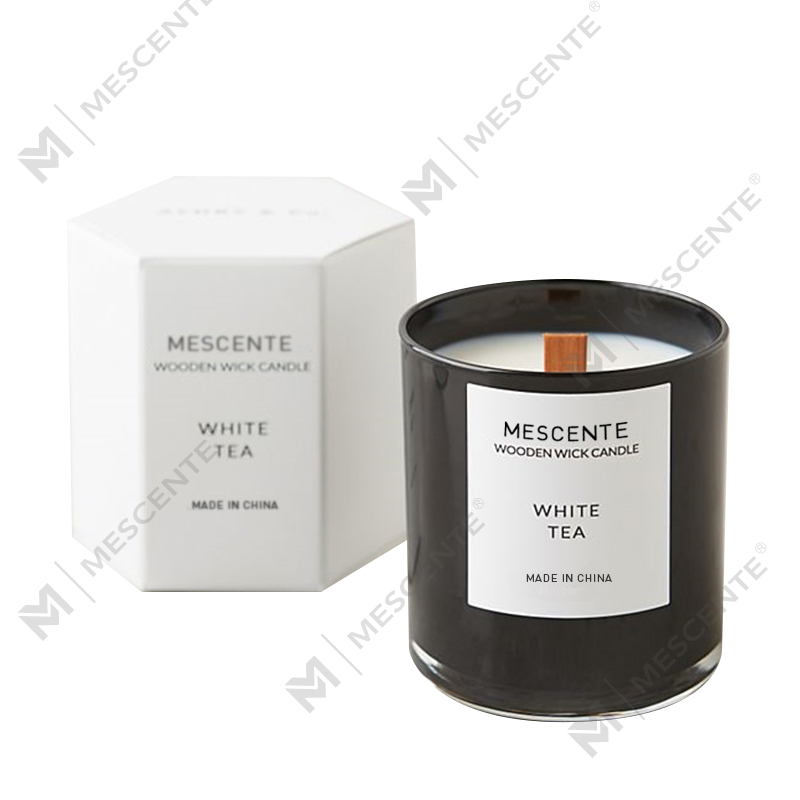
- Wick Material Standards: A lead-free cotton core wick ensures a stable flame height of 15mm to 25mm, preventing the tunneling effect that wastes active ingredients.
- Soot Index Control: Proper wick sizing ensures a clean burning candle experience with a soot index of nearly zero, meeting M&SCENT's rigorous green and health standards.
- Burn Rate Precision: Our proximity to the Shanghai-Suzhou industrial cluster allows for precision testing of wick-to-wax ratios, ensuring an optimized burn rate of 3 to 5 grams per hour.
Comparison of Material Performance in Home Fragrance Systems
The following table illustrates the technical differences between professional-grade aromatherapy candles and standard decorative candles.
| Technical Parameter |
Professional Aromatherapy Grade |
Standard Decorative Grade |
| Wax Type |
100% Natural Soy / Beeswax |
Paraffin (Petroleum-based) |
| Fragrance Loading |
8% - 12% Essential Oils |
3% - 5% Synthetic Fragrance |
| Melt Point |
48°C (Low heat emission) |
62°C (High heat emission) |
| Soot Emission |
< 0.1 mg/h |
> 0.5 mg/h |
Customizing Therapeutic Profiles through OEM and ODM Services
- Formulation Development: For retailers seeking stress relief fragrance notes like Bergamot or Sandalwood, M&SCENT offers comprehensive OEM and ODM services.
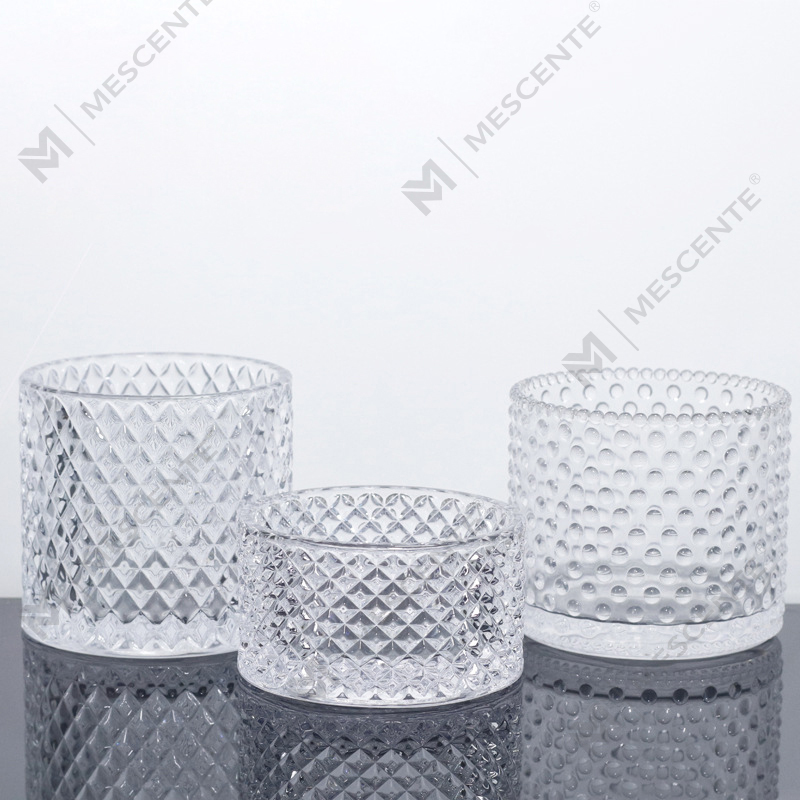
- Container Engineering: Our design team develops custom glass containers with high thermal shock resistance (up to 150°C) to ensure safety and aesthetic appeal.
- Quality Control Adherence: By adhering to the "quality first" principle, we ensure that every gift set produced matches the "apple to apple" comparison required by reputable global retailers.
Hardcore Technical FAQ
- Fragrance Load Limits: High fragrance loads (above 12%) can soften the wax structure, potentially increasing the burn rate and causing flame instability.
- Hot Throw Efficiency: A professional-grade candle should achieve a high hot throw efficiency, where scent intensity increases significantly once the melt pool reaches the container edge.
- Wick Capillary Action: Cotton wicks are preferred for natural waxes as they provide consistent capillary action without the high combustion temperatures of metal cores.
- REM Sleep Correlation: Studies indicate that Lavandula-based aromatherapy can increase the percentage of deep slow-wave sleep (SWS) by modulating autonomic activity.
- Analytical Validation: M&SCENT utilizes Gas Chromatography-Mass Spectrometry (GC-MS) testing to verify the chemical profile of every essential oil batch used in production.
Technical References
- ASTM F2326-04: Standard Test Method for Collection and Analysis of Visible Emissions from Candles.
- IFRA Standards: International Fragrance Association guidelines for safe usage limits of aromatic raw materials.
- ISO 11014: Safety data sheet for chemical products – Content and order of sections for wax components.