In the modern home fragrance industry, the intersection of luxury and wellness has led to a rigorous re-evaluation of material safety. As consumers increasingly prioritize respiratory health, the debate between vegetable-based waxes and petroleum-derived options has intensified. Perfume scented candles are no longer judged solely by their olfactory profile, but by their chemical footprint. M&SCENT, a professional manufacturer based in Suzhou, has spent years bridging the gap between high-end design and environmental integrity. By adhering to our core values of green, environmental protection, and health, we ensure that every product—from perfume scented candles to room sprays—contributes to a positive indoor atmosphere. This engineering-focused analysis explores the data-driven benefits of phthalate-free perfume scented candles and evaluates whether soy wax truly provides a safer indoor air quality (IAQ) profile than traditional paraffin.
1. Chemical Composition and VOC Emission Profiles
The primary concern regarding indoor air quality is the release of Volatile Organic Compounds (VOCs) during combustion. Paraffin wax is a byproduct of the petroleum refining process, consisting primarily of straight-chain hydrocarbons. When burned, incomplete combustion can release trace amounts of alkanes and alkenes. In contrast, soy wax is composed of triglycerides derived from hydrogenated soybean oil. Scientific studies in 2025 have shown that high-fragrance soy candles for large rooms emit significantly fewer aromatic hydrocarbons like toluene and benzene. When comparing soy vs beeswax vs paraffin for indoor air quality, plant-based waxes demonstrate a more stable molecular breakdown. At M&SCENT, we combine these natural waxes with natural cotton wick candles for clean air to ensure that the combustion process remains as clean as possible, aligning with our "quality first" philosophy.
VOC and Emission Comparison
- Paraffin Wax: Petroleum-based; potential for toluene and benzene emissions under poor combustion.
- Soy Wax: Renewable vegetable base; predominantly releases carbon dioxide and water vapor.
| Emission Metric |
Paraffin Wax Options |
Soy-Based Perfume Scented Candles |
| Carbon Source |
Fossil Fuel (Non-renewable) |
Agricultural Soybean (Renewable) |
| Benzene/Toluene Release |
Trace amounts detectable |
Non-detectable in high-purity soy |
| Combustion Byproducts |
Petro-carbon soot |
Vegetable-based glycerin/water |
2. Particulate Matter and Soot Production
Soot consists of fine carbon particles that can penetrate deep into the respiratory system and stain home interiors. Traditional paraffin candles often have a higher "smoke point," meaning they produce visible black soot more readily when the wick is not perfectly trimmed. One of the major benefits of soy-based perfume scented candles is their naturally low soot production. Because soy wax has a higher molecular density and a lower melting point, it burns at a lower temperature. This temperature differential is the secret behind long lasting soy wax candles vs paraffin burn time; a soy candle typically lasts 30-50% longer than its paraffin counterpart of the same size. For those asking how to reduce black soot from scented candles, choosing a natural cotton wick candles for clean air and a soy-base is the most effective engineering solution. M&SCENT's OEM and ODM services utilize this temperature-stable wax to provide best non-toxic candles for home fragrance 2026 standards.
Thermal and Burn Rate Sequence
- Melting Point: Soy wax melts at ~120°F, creating a wider, cooler wax pool.
- Fragrance Release: Lower temperatures allow for a gradual release of perfume oils, preventing "scent scorching."
- Residue: Soy wax is biodegradable and water-soluble, unlike paraffin which requires chemical solvents for cleanup.
| Burn Characteristic |
Paraffin Wax |
Soy Wax (M&SCENT Standard) |
| Burn Temperature |
High (Rapid consumption) |
Low (Cooler, safer burn) |
| Soot Level |
Higher (Petro-carbon soot) |
Negligible (Clean burn) |
| Total Burn Time |
Standard (e.g., 30 hours) |
Extended (e.g., 45-50 hours) |
3. Fragrance Loading and Health-Conscious Formulations
The "perfume" element of a candle often contains synthetic compounds that can impact sensitive individuals. Many people wonder, "Why do some scented candles cause headaches?" Often, the culprit is not the wax, but the presence of phthalates used as fragrance fixatives. In high-performance eco-friendly luxury candles for bedroom use, using non-toxic scented candles that are phthalate-free is essential. Soy wax exhibits excellent compatibility with high-quality fragrance oils, allowing for a 10% fragrance load without oil separation. This makes it an ideal medium for what are the cleanest burning candles for asthma sufferers, provided the scents are derived from clean-certified sources. M&SCENT prioritizes this "apple to apple" quality comparison, ensuring that our perfume-grade scents are both potent and safe for long-term indoor use.
Conclusion: A Greener Path to Home Fragrance
From an engineering and health perspective, soy-based perfume scented candles offer a superior indoor air quality profile compared to paraffin. By utilizing a renewable carbon source, producing significantly less soot, and allowing for cleaner fragrance delivery, soy wax aligns with the modern "green" lifestyle. M&SCENT remains dedicated to this pursuit of high quality, offering competitive pricing for top-notch designs that respect both the consumer and the nature we aim to replicate. Whether through our own collections or our bespoke OEM/ODM services, we help you touch the positive beauty of nature, one clean-burning candle at a time.
Frequently Asked Questions (FAQ)
1. Are soy candles better for people with allergies?
Yes. Because soy wax produces less soot and fewer chemical emissions, it is often cited as the best non-toxic candles for home fragrance 2026 for those with respiratory sensitivities or allergies.
2. Do perfume scented candles made of soy smell as strong as paraffin?
While paraffin has a slightly faster "initial throw," high-fragrance soy candles for large rooms provide a more consistent and longer-lasting scent because the wax burns slower and at a lower temperature.
3. How to reduce black soot from scented candles even if they are soy?
Always keep the wick trimmed to 1/4 inch. Even in natural cotton wick candles for clean air, a long wick can cause a flickering flame that results in soot regardless of the wax type.
4. Why do some scented candles cause headaches?
Headaches are often caused by paraffin soot or phthalates in the fragrance. Switching to phthalate-free perfume scented candles in a soy base usually resolves this issue for most users.
5. Is soy wax really 100% biodegradable?
Yes. Unlike paraffin, which is a plastic-like petroleum product, soy wax is a vegetable oil that can be cleaned up with simple soap and water and breaks down naturally in the environment.
Industry References
- Environmental Protection Agency (EPA): "Indoor Air Quality and Residential Combustion Sources."
- American Lung Association: Technical Report on Candle Emissions and Paraffin Toluene Levels.
- Ökometric Wax and Emissions Study (2025 Update): Comparative Analysis of Soy and Paraffin VOCs.
- M&SCENT Laboratory: Internal Quality Control Report on Scent Throw and Thermal Stability.




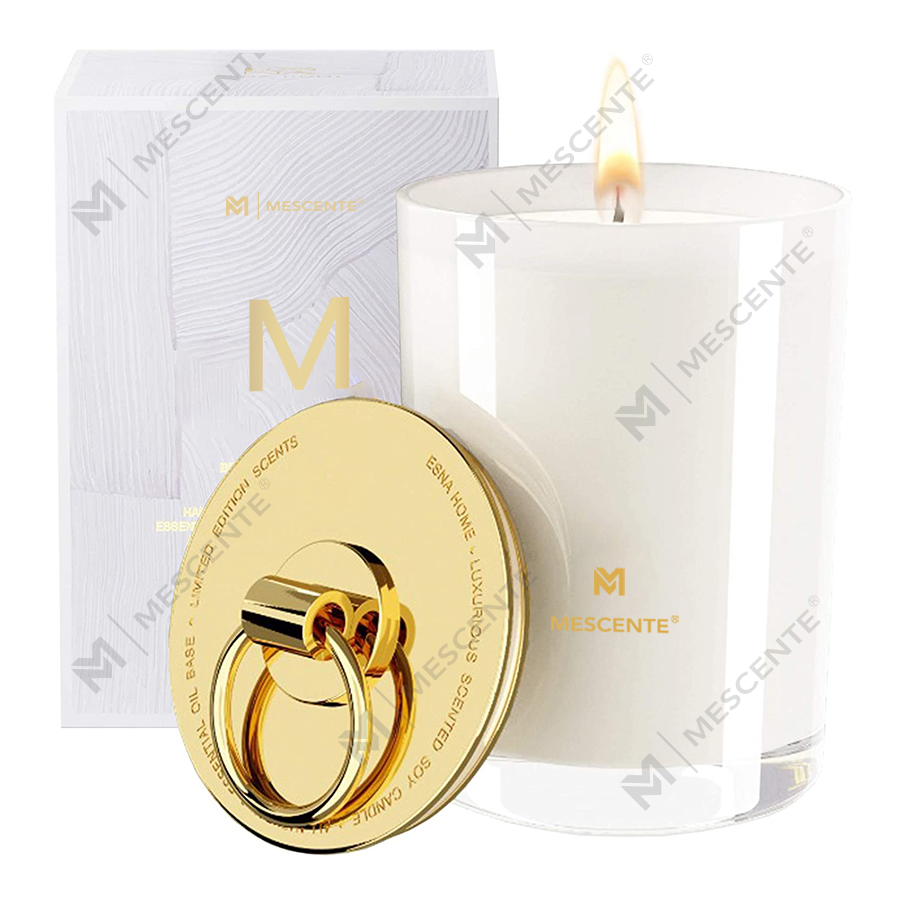
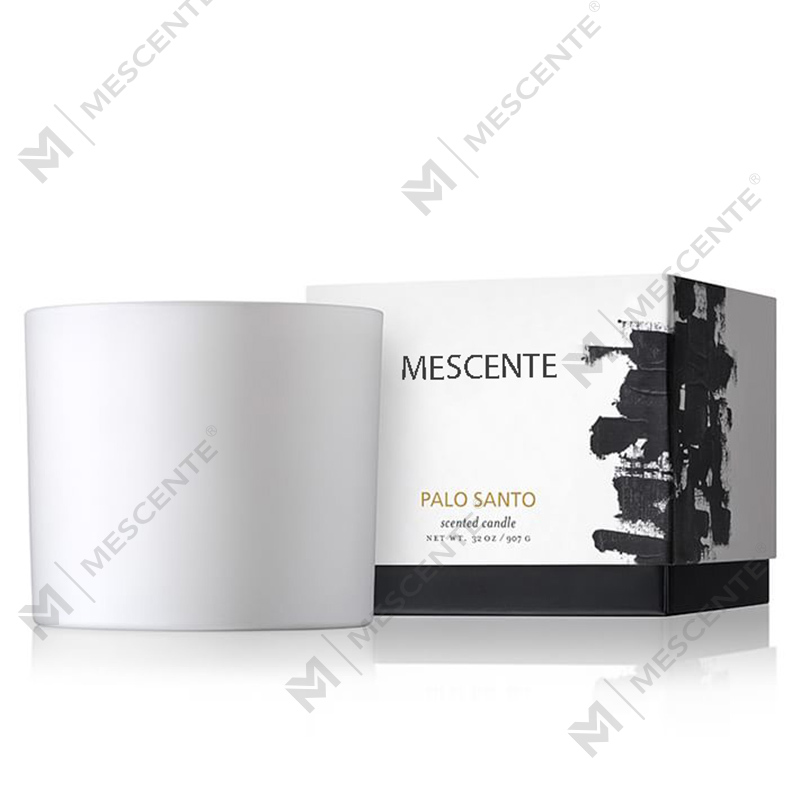
.jpg "M&Scent Luxury Men Electric Dry Flower Scented Candles With Custom Lables, Scented Paraffin Candle")