




Home / Blog / Industry News / OEM and ODM Home Fragrance Manufacturers: Custom Brand Development Guide
OEM and ODM Home Fragrance Manufacturers: Custom Brand Development Guide
Content
OEM and ODM manufacturers answer it in two different ways. Both build under the brand's name, both handle filling, labelling and export documentation, and both sit between a brand and its retail shelf. The difference is who owns the design that production is scheduled against.
That gap is why manufacturer selection is a supply chain decision, not a purchasing task.
OEM means the brand owns the design and the factory builds it to specification; ODM means the factory owns a design that has already been tested and the brand rebrands it. Both routes end in a branded product, but they start from opposite ends of the development timeline.
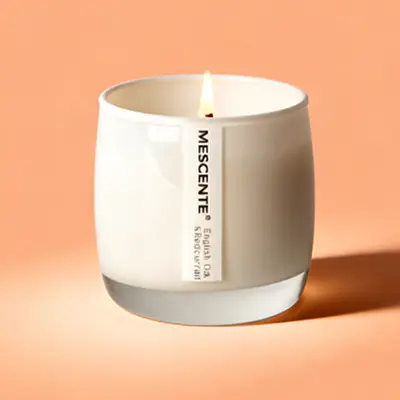
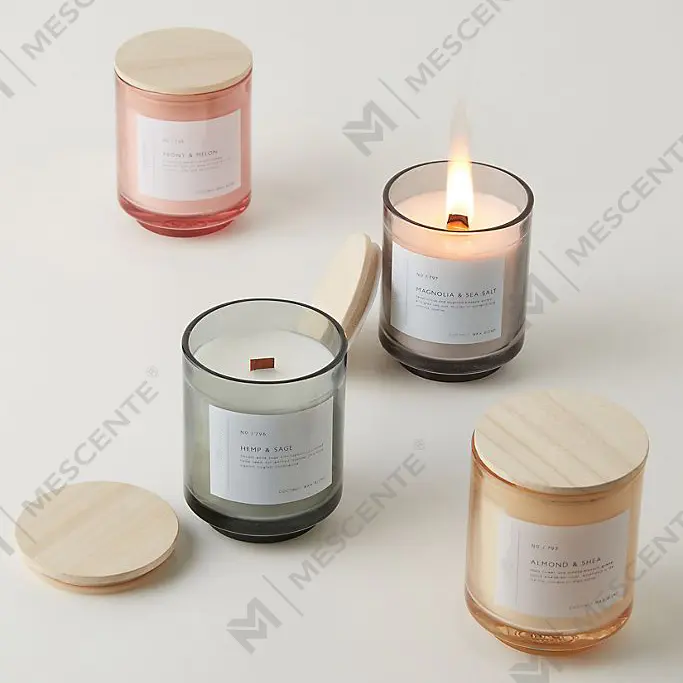
Most private label programs are hybrids. A brand buys a stock 200 ml frosted glass vessel from an ODM range, then commissions an OEM-finished scent and a custom lid carrying its own logo. Container suppliers list such vessels as stock items while the wick and fragrance load stay brand-specific, which is exactly how a mid-sized brand gets a distinct product without funding a mold.
Five layers decide what a custom home fragrance product actually is: vessel, base material, fragrance, wicking system and packaging. Each layer carries its own lead time, and each one can break the others if it is changed late.
| Layer | What the brand specifies | Typical options | Where the risk sits |
| Vessel | Shape, material, capacity, colour, lid | Glass, ceramic, cement, cork-wrapped, leather-wrapped, metal | New molds add 15 to 30 days and lift minimum order quantity |
| Base | Wax type or diffuser liquid | Soy wax, soy-paraffin blend, coconut blend, water-based or oil-based diffuser base | Burn pool, soot, evaporation rate under real room conditions |
| Fragrance | Scent direction, load percentage, IFRA category | 6 to 10 percent load in wax, 12 to 20 percent in diffuser liquid | Oil weeping, colour drift, label claims that outrun the formula |
| Wicking | Wick type and size, reed material and count | Cotton, wood, fibre reed, rattan, ceramic | Scent throw, burn time, reeds that clog within two weeks |
| Packaging | Label, box, insert, gift set structure | Rigid box, kraft sleeve, foil stamp, ribbon, window lid | Transit damage and retail compliance audits |
A worked example of the first two layers combined: a private label lavender soy wax candle that uses a stock vessel with a custom lid, so the brand pays tooling only for the lid and keeps the glass on a short replenishment cycle.
A full OEM program runs through five stages, and each stage ends with a document the brand signs off on before the next one begins. Skipping a signature is the fastest way to lose a month to rework.
ODM support removes tooling and formulation from the critical path, cutting 30 to 60 days out of a development schedule. The mold already exists, the wax and wick combination has already passed burn testing, and sampling starts from a proven platform rather than a blank page.
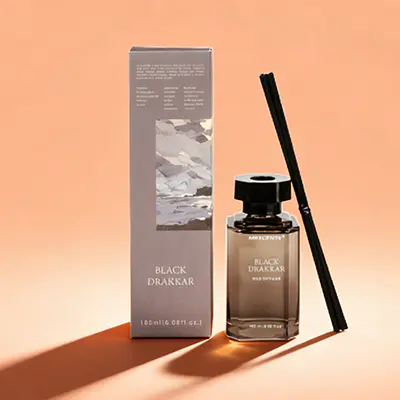
Channel-specific formats are tooled alongside retail formats, which shortens the path into hospitality. A 180 ml glass bottle reed diffuser built for hotel supply gives a brand a tested format for guest rooms and lobbies without funding new tooling or a new fragrance validation cycle.
Compliance documentation is a deliverable, not a formality: a container of scented candles or diffuser liquid without the right paperwork can be held at the port while storage charges accumulate. A capable OEM or ODM supplier issues these documents as part of the order, not as an afterthought.
These requirements are a shipping discipline, and the practical rules are set out in this guide to packaging standards for bulk scented candles.
Gift packaging is the layer customers judge first. A reed diffuser and candle gift set merges two production formats in a single box, which means the factory has to hold both a liquid-fill line and a wax-pour line to the same delivery date and the same batch code logic.
Four numbers separate a real manufacturer from a trading company: minimum order quantity per SKU, sample lead time, bulk lead time, and the inspection standard used at final quality control.
Ask these questions before a purchase order exists, and ask them in writing:
Scaling is a packaging discipline as much as a production one. A 20-foot container holds roughly 33 cubic metres of internal volume, so a brand comparing quotes should calculate units per cubic metre, not units per pallet. Brands shortlisting a supplier should also compare the full product catalog from Suzhou M-Scent Arts & Crafts Co., Ltd. against a three-year range plan rather than judging on three samples.
An OEM manufacturer produces to a design the brand owns, including proprietary molds, wax blends and artwork. An ODM manufacturer produces from a platform it already owns and licenses to the brand. The commercial difference appears in tooling: an OEM program carries one-time mold cost and 15 to 30 days of tooling lead time, while an ODM program starts from a mold that has already passed burn testing.
For scented candles and reed diffusers produced in stock vessels, private label programs typically start at 500 to 1,000 units per SKU per scent. A new vessel mold raises that floor substantially because the tooling cost is recovered from the first run, and brands ordering a custom glass or ceramic shape should expect a minimum in the low thousands.
Plan for 45 to 60 days: 5 to 15 days of scent matching and stability testing, 10 to 20 days of wick and burn validation, 10 to 20 days of sampling and approval, and 20 to 35 days of production and inspection. The stages overlap, which is why the total is shorter than the sum, and a new mold adds 15 to 30 days at the front of the schedule.
The manufacturer supplies the documents: an IFRA conformity certificate for each fragrance oil, a Safety Data Sheet per SKU, and REACH SVHC declarations under Regulation (EC) 1907/2006. The brand stays the responsible economic operator for the finished article, and under EU Regulation (EC) No 1272/2008 the importer must confirm that pictograms, signal words and the formula identifier match the mixture actually shipped.



Address:
Building 10, No. 39, Muxu East Road, Mudu Town, Wuzhong District, Suzhou City, Jiangsu Province, China
Company
Products
Mobile
